


‘Tell me a story; tell me a story; tell me a story before I go to bed’
 By Willie Egan
Photos by Ken McGuire
Methinks this line from an old nursery rhyme might be a good way to introduce an article about The Weir by Conor McPherson, the current offering from Kilkenny’s Lake Productions.
For if Napoleon once suggested that England was a ‘nation of shopkeepers’, it could equally be said that perhaps Ireland could be referred to as a ‘nation of storytellers’, wherein children are introduced to the world of stories from pretty much the time they’re born.
To render this hypothesis equally viable in the world of adult literature, some of Ireland’s most famous plays — from John B. Keane’s The Field, to Tom Murphy’s Conversations on a Homecoming, from Jimmy Murphy’s The Kings of the Kilburn High Road, to Seamus O’Rourke’s A Taste of Indigestion — all pretty much hinge on stories and storytelling. In fact, O’Rourke’s live performances of his piece include the use of a unique device when, on cue, he strategically shifts his position on stage at key moments and repeats, ‘I’ll tell ye a story.’
Likewise, the noted recitation The Papisher & The Prod by John McKearney captures a most powerful, sad, reflective story from a troubled Northern Ireland.
Irish songwriters also seem to have given heed to the power of storytelling: from Kickham’s Slievenamon, to Jimmy McCarthy’s The Contender, to Mick Hanly’s Patrick’s Hill (‘this story has no home so I will tell it here’), the fascination with stories and the craft of carving out a story in song is again very much in evidence.
Many are called but few are chosen to the top table of writing deserving of the category of ‘masterpiece’. The Weir has its feet firmly planted underneath that table since its first production over thirty years ago, carrying within it the added attraction of including stories within a story.
The play opens with a series of seemingly random conversations of little or no apparent significance or direction as the first of the play’s three characters (Jack, Brendan and Jim) are introduced to the audience. But that’s McPherson’s style — the build-up.
After the direction of the wind and their respective states of busyness have been established, it emerges that all three are single, self-employed men, and these early exchanges include themes of sadness, aloneness, regret and a self-imposed sense of inevitable hopelessness as they reflect on opportunities lost — a theme which is repeated with even more emphasis later in the play. While such themes are common to many Irish plays, the choice of language here pulls at the heartstrings in a particular way, as it reminds us of a statement from Abraham Maslow: ‘At any given moment we have a choice, to either step forward into growth, or step back into safety’, which in turn brings to mind a line from a lesser-known Shay Healy song, Follow Your Star, which goes: ‘I’m standing on the edge of the universe, getting ready to jump into space. But I’m finding it really hard to let go, for the earth is such a solid place.’
Then the play takes a turn.
The news that a friend of theirs (Finbar) is about to join their company seems to bother two of the three. Finbar was, at one stage, just one of them — drank with them and lived like them. McPherson doesn’t say whether or not Finbar had read about Maslow, but the script discloses that he had decided some years earlier to take the gamble they had not, and moved to a nearby town, where he carved out a career as an auctioneer and found himself a wife.
To rub salt into their wounds, the news is that he will be accompanied by a young, single, attractive Dublin lady (Valerie) who has just rented an old house from him. Apparently, like any good businessman would, he is showing her around the local area, mar dhea (‘showing her off more like!’), and has decided to include Brendan’s pub on his itinerary. This news noticeably changes the amiable conversation of the three to one of unease, edge, suspicion and envy, in which the safety of the higher moral ground of righteous indignation is sought: ‘What is he doing, and he married! How far would he get with her anyway, and the head on him.’ Here McPherson perhaps touches on the less attractive side of Irish storytelling — the shadow side of human traits — i.e. the language of put-down, character assassination through innuendo, speculation and gossip.
And as the accumulated alcohol releases the shackles of safety and damage-limitation, the script structure changes somewhat, from crisp dialogue to a series of monologues, as old local ghost stories are being recalled — perhaps or perhaps not — with the intention of putting Valerie off the area and what they believe to be Finbar’s dubious interest in her.
But Valerie has her own story to tell.
The Weir by Conor McPherson runs at The Concert Hall in Thomastown from March 12.
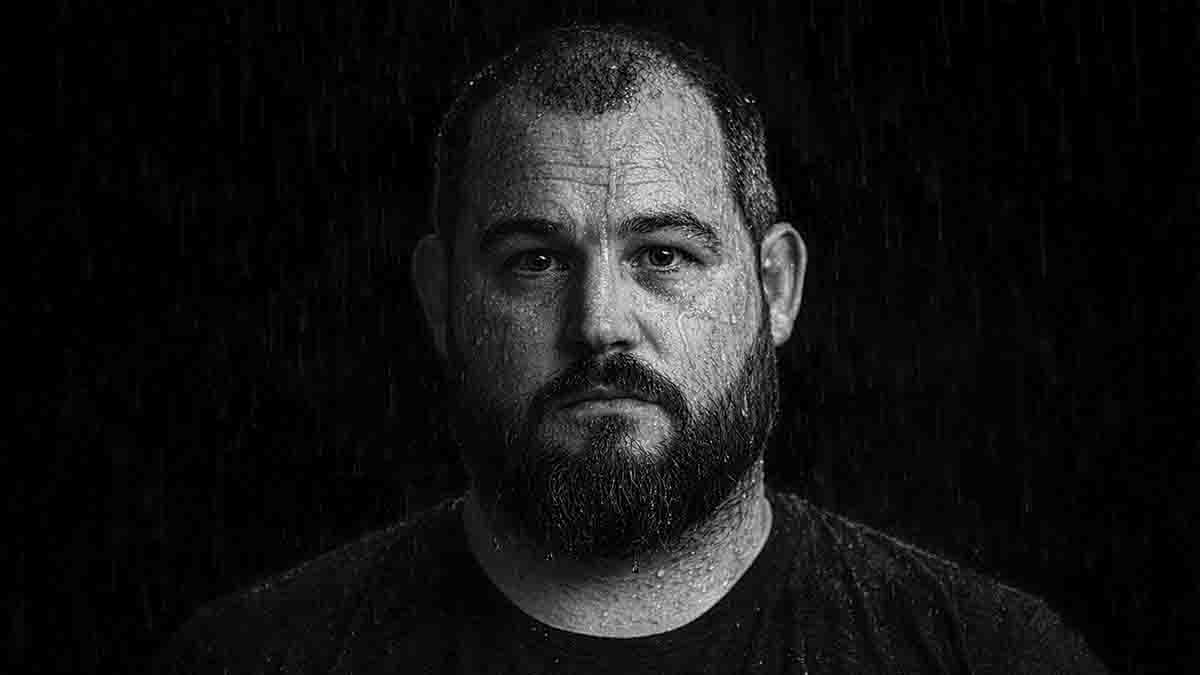
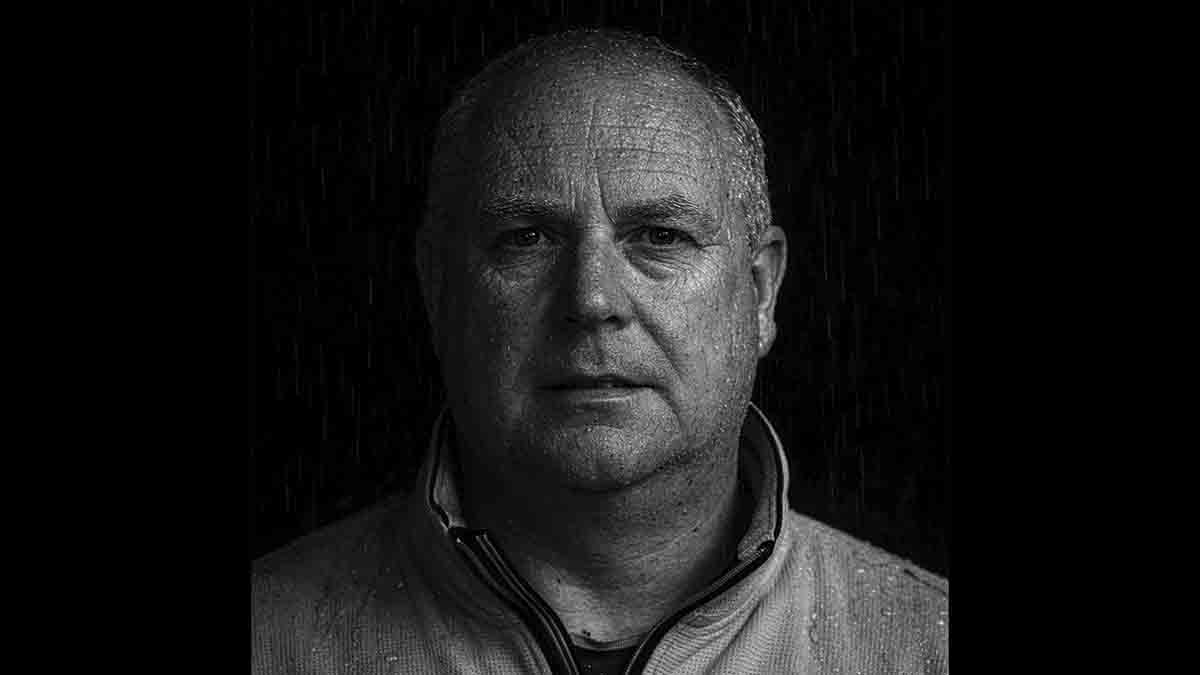
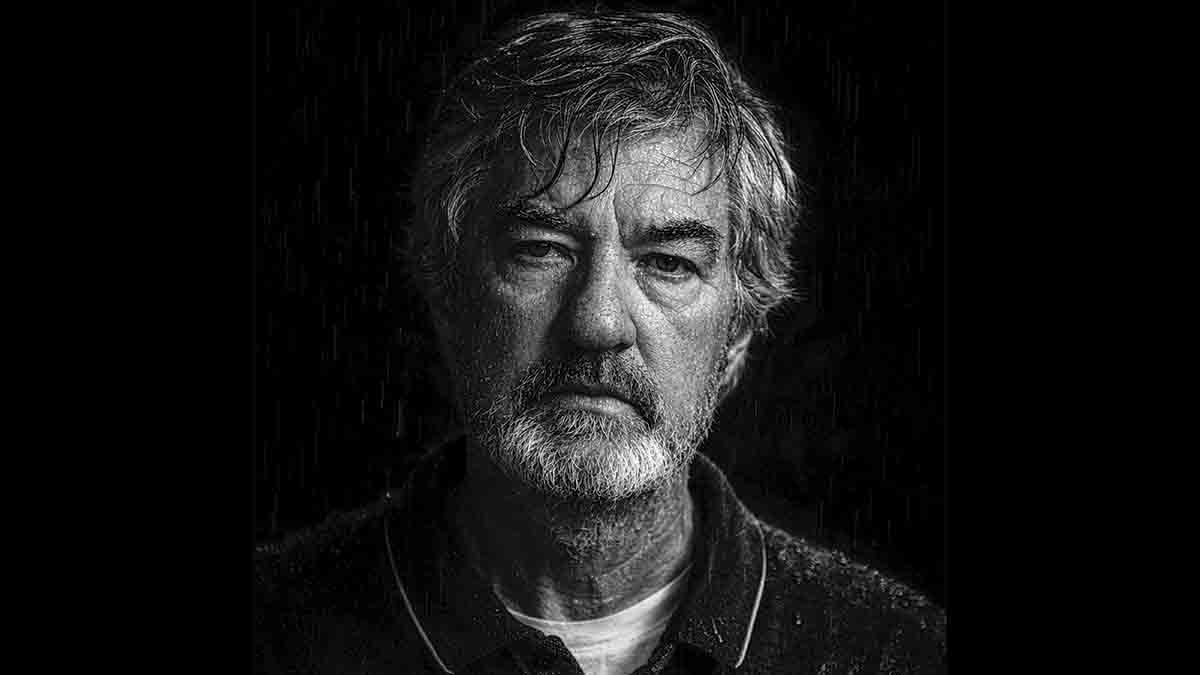
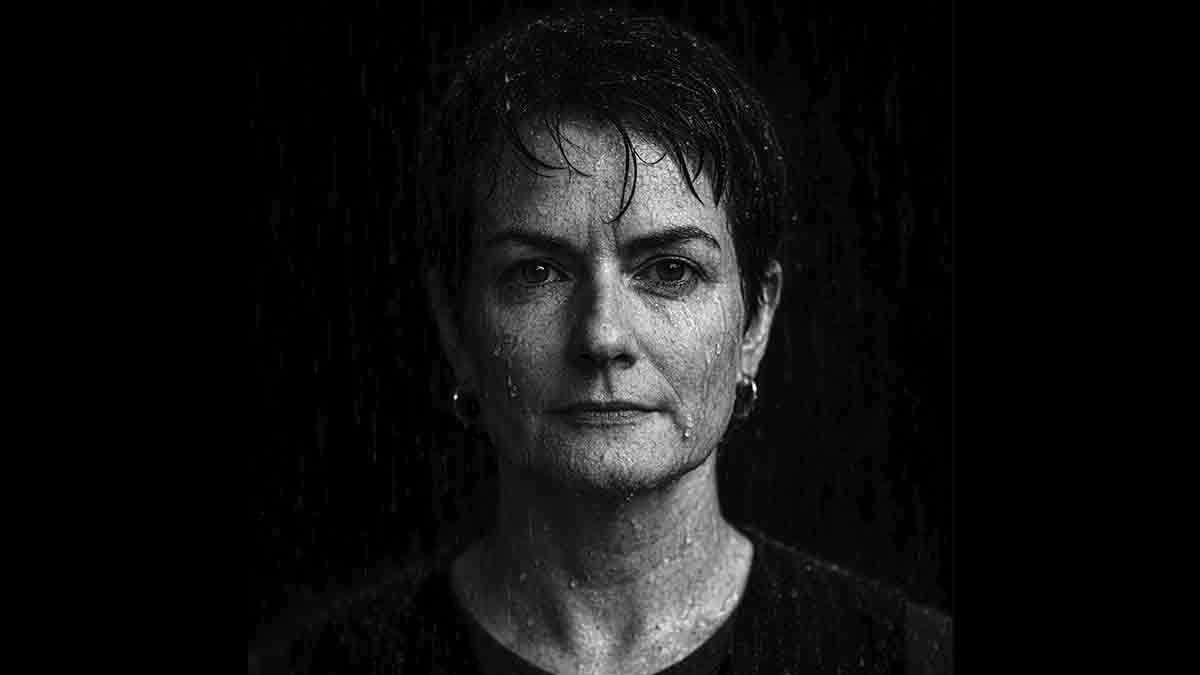
Cast includes: Gerry Cody, Niall Morrissey, Derek Dooley, Joe Murray and Ann Murray. Director is Darren Donohue.
Willie Egan
(Accredited Adolescent Counsellor in Kilkenny for the past 20 years)