


Photos: jbs
Each year, on Remembrance Day, millions of people take a moment’s silence to remember those who have died in wars across the world. On Remembrance Sunday, many services across the world take place at churches, memorial sites and cenotaphs to commemorate fallen soldiers, comrades and civilians lost to conflict. Many of our older citizens can relate to the atrocities of WWI and WWII.
But what of our younger generation, on whom the baton of remembrance will fall in a heartbeat? Teaching young people about the importance of remembrance can come from educating them about previous wars throughout history and their impacts on civilians, soldiers and entire countries. This can be through classroom teaching, school trips and learning about experiences of ordinary people who lived and fought throughout the war time. It highlights the horrors and turbulent times millions of people experienced through the periods of war time, and how with hope, spirit and fight, they won.
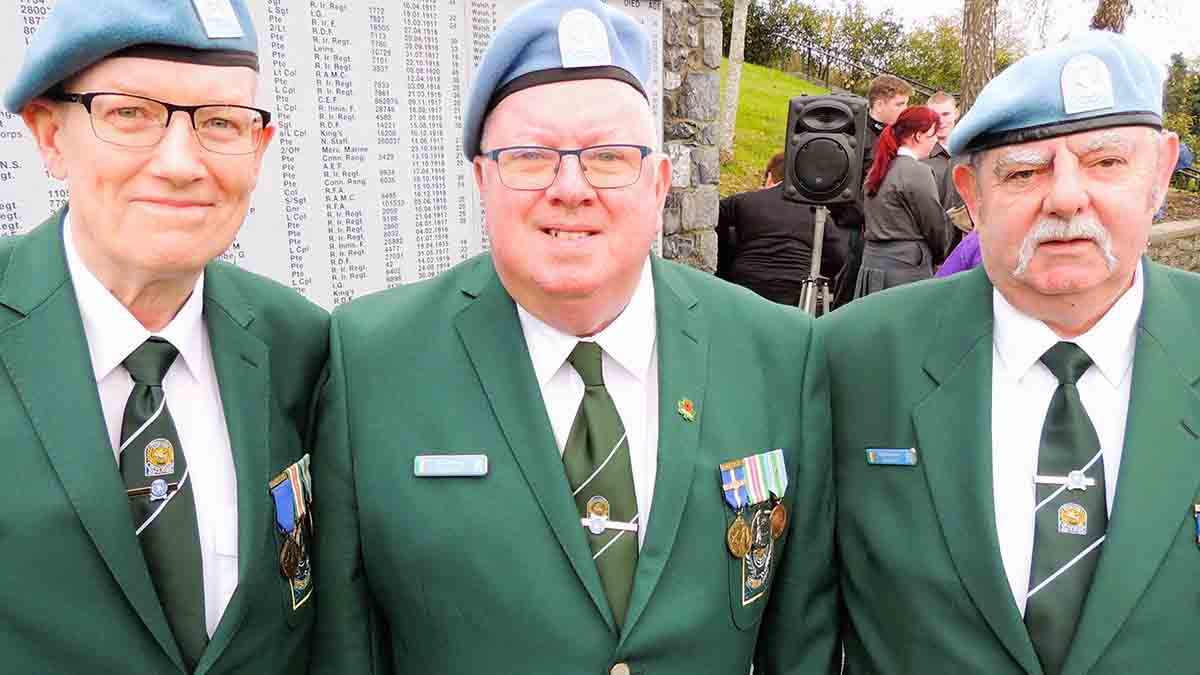
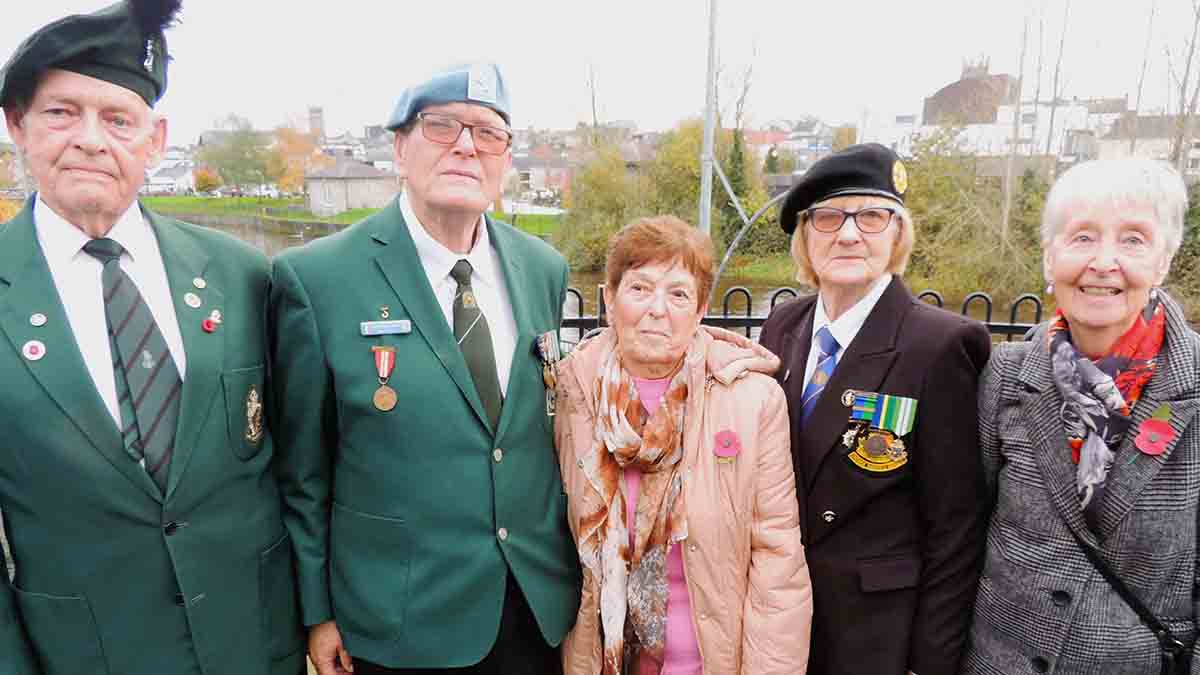
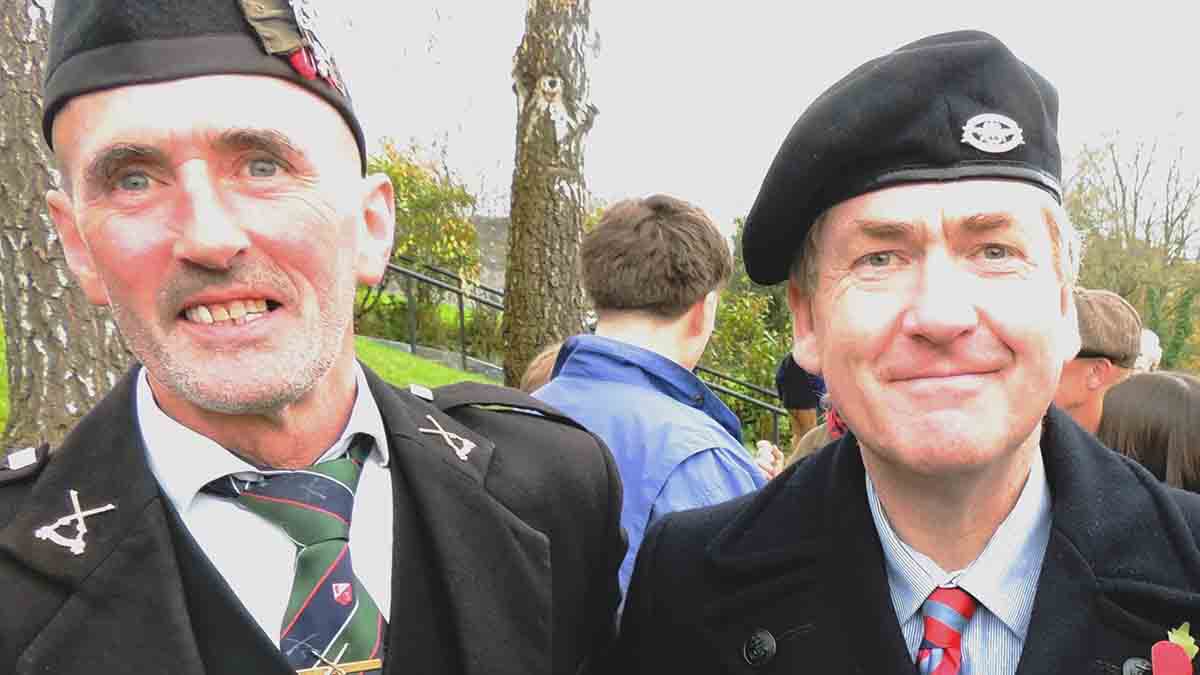
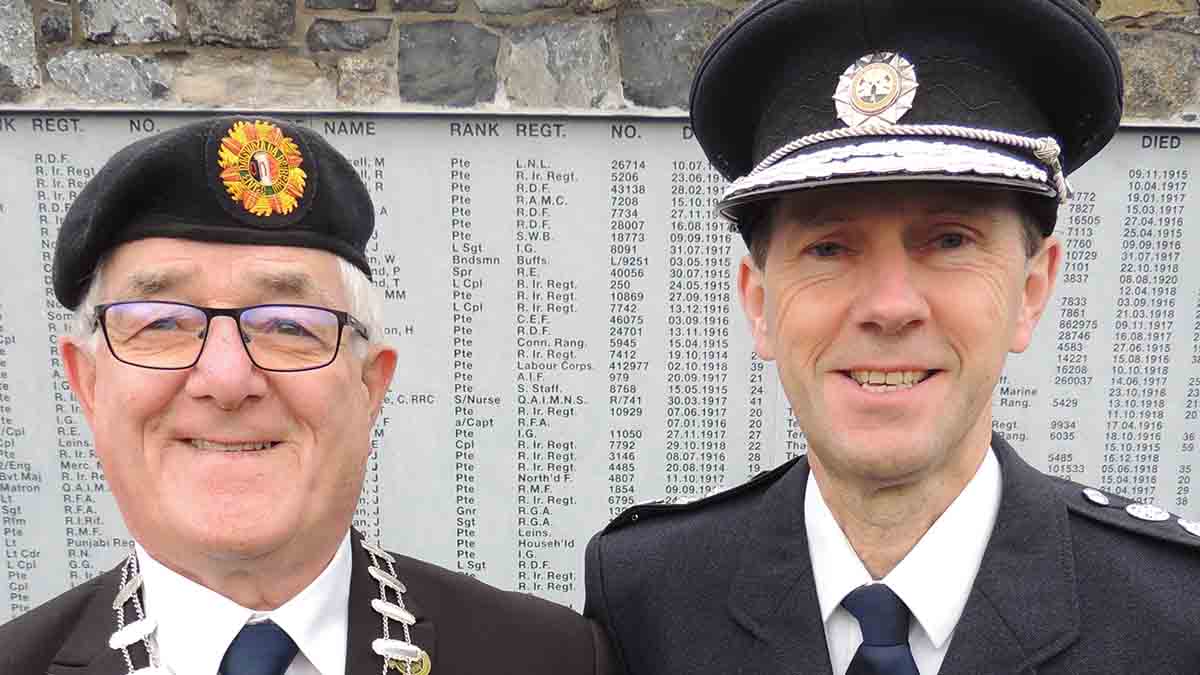
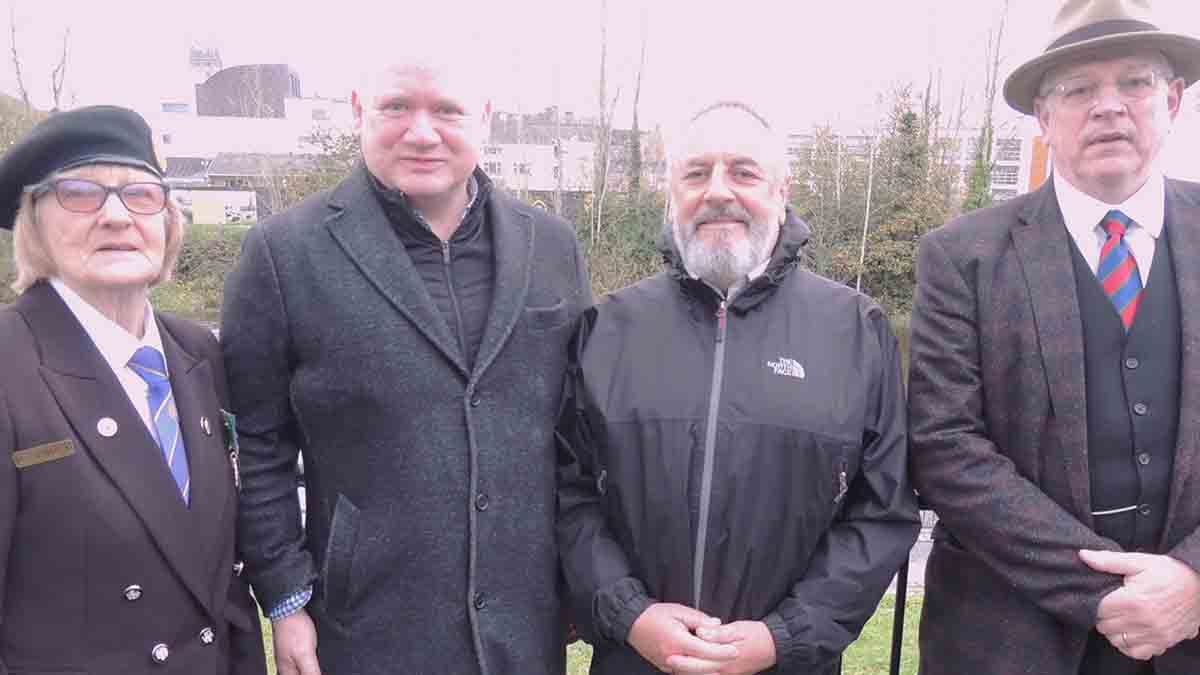
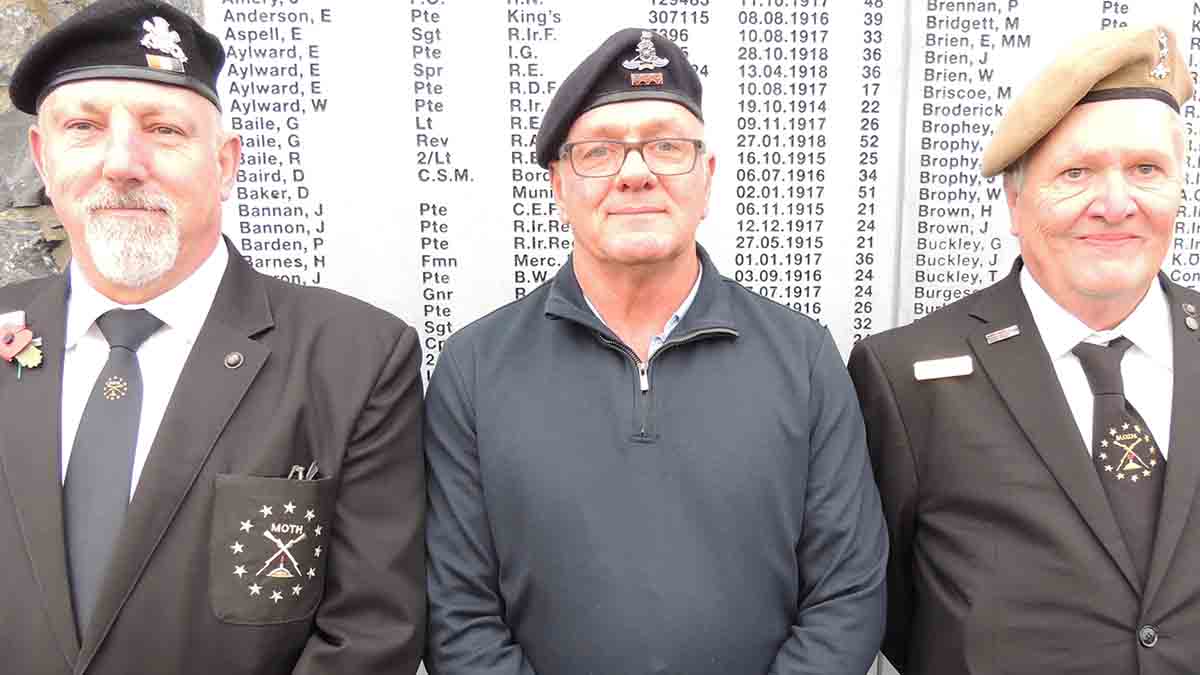
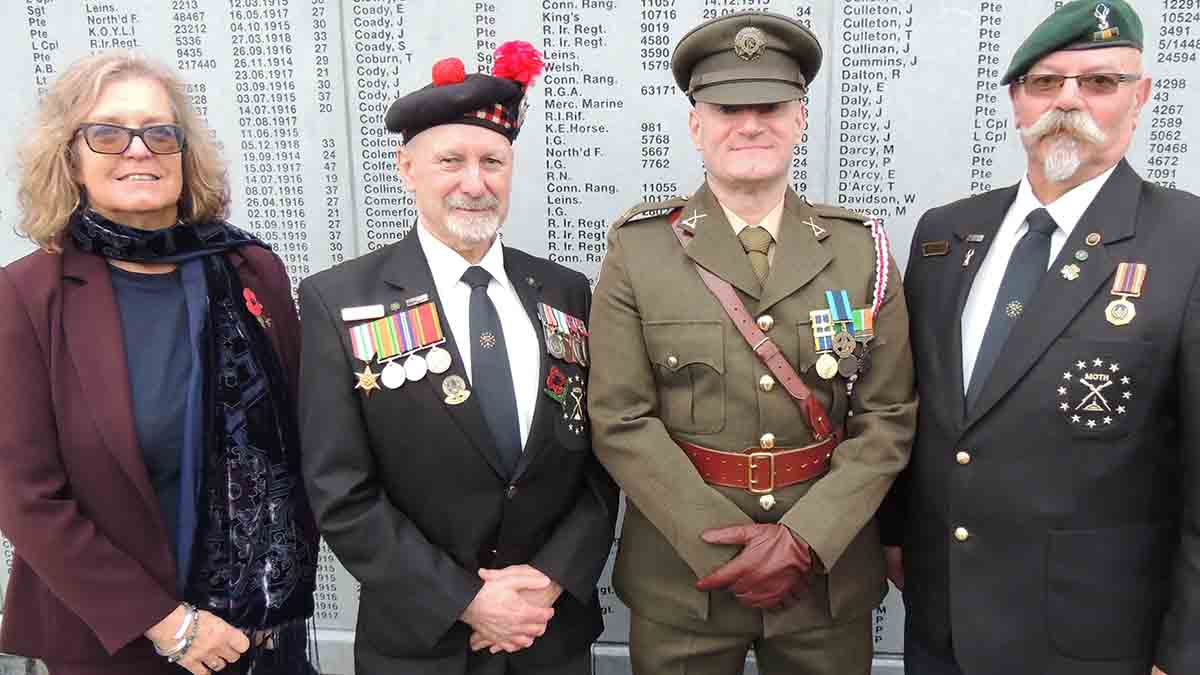
On November 9th, at The Peace Park in Kilkenny city such was the case. At their annual commemoration of Armistice Day, The Kilkenny Great War Memorial Committee put on a very dignified commemoration with politicians, army, Gardaí and UN personnel in attendance. They were there at the magnificent WWI memorial to remember the Kilkenny men and women who fought and died in that bloody war.
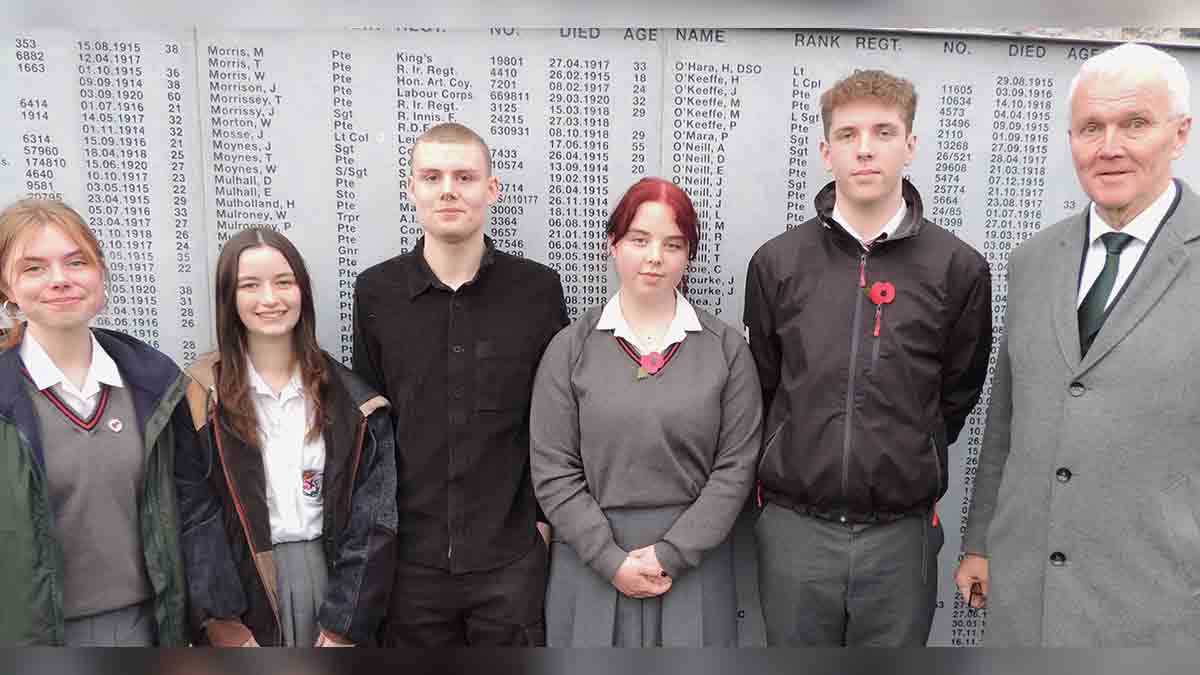
This year however, the organising committee went a step further when they included students and staff of Kilkenny College. According to a spokesperson for the committee, the intention is to include more schools going forward. And what a difference it made to have young people contributing. Not only contributing but doing so with the panache and elegance that the occasion deserved. The students were well rehearsed and credit must go to each of the participants and indeed their school. Mol an óige agus tiocfaidh sí.
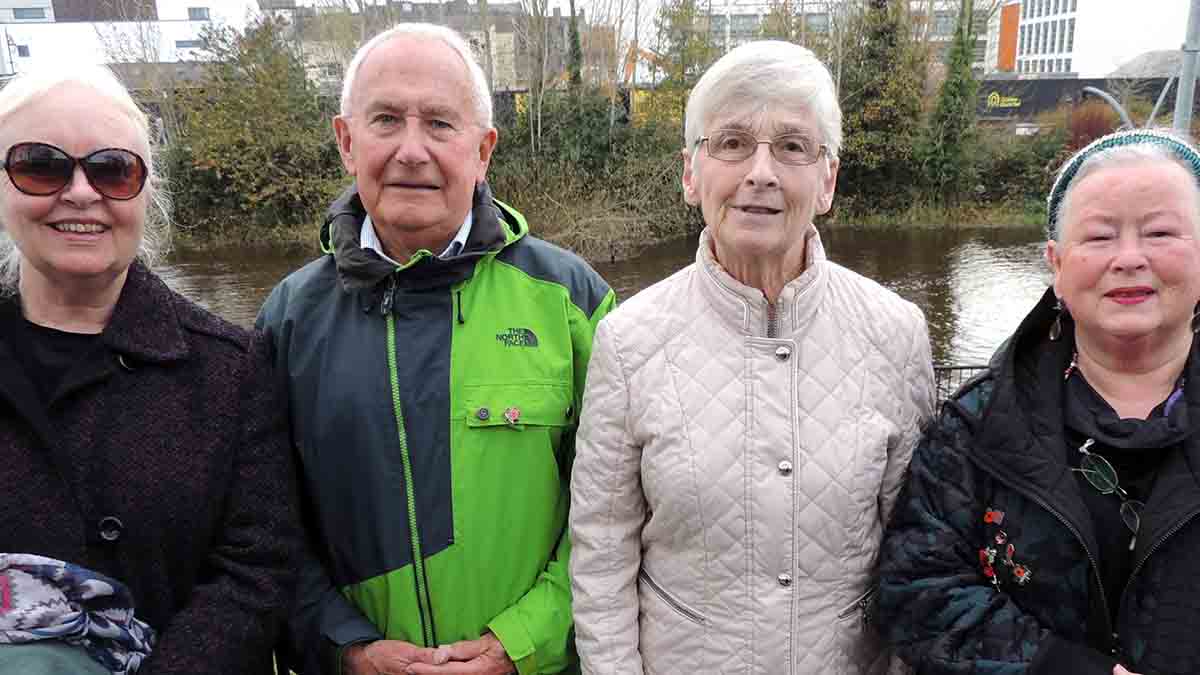
The day was uplifting and respectful with many locals and visitors alike in attendance, remembering relatives who travelled to the different wars. The most common battle spots in World War I were on the Western Front in France and Belgium, characterised by extensive trench warfare, and the Eastern Front which stretched across Eastern Europe. Other major fronts included the Italian Front, the Balkan Front, and the Middle Eastern Front.
The afternoon consisted of music, prayer, song and poetry as well as the laying of wreaths.
Candle lit in memory
Memorial services are a time for reflection, remembrance, and honouring the life of a loved one. One of the most poignant and symbolic rituals performed during these services is the lighting of candles. This simple act carries a profound significance that transcends cultural and religious boundaries, offering a universal language of love, loss, and hope. The tradition of lighting candles in memory of the deceased dates back to ancient times. Various cultures and religions have incorporated this ritual into their mourning practices, each attributing their unique interpretations and meanings. Kilkenny College teacher Paul Cuddihy lit a candle for all who died.
Students from Kilkenny College who participated included: Lorna West Keogh who read a prayer of Remembrance; Adam Walsh Meaney who read a thank you to the Unknown Soldier; Iona McIver who read ‘In Flanders Fields’; Eoin Lazarus who delivered ‘When the guns fall silent’.
It was particularly nice to hear student Lynn Phillips play ‘The Last Post and Reveille’ on the trumpet. Other Music was supplied by piper Finbarr McCarthy who played ‘The Pipers Lament’ and The National Anthem. Accompanied by Liz Kett on guitar, Aine Prendergast sang ‘Amazing Grace’ and ‘Nearer my God to Thee’. The Ode of Remembrance was recited by Jim Fee, while the raising of the Irish flag to full mast was performed by Bobby Kearney.
Wreath laying
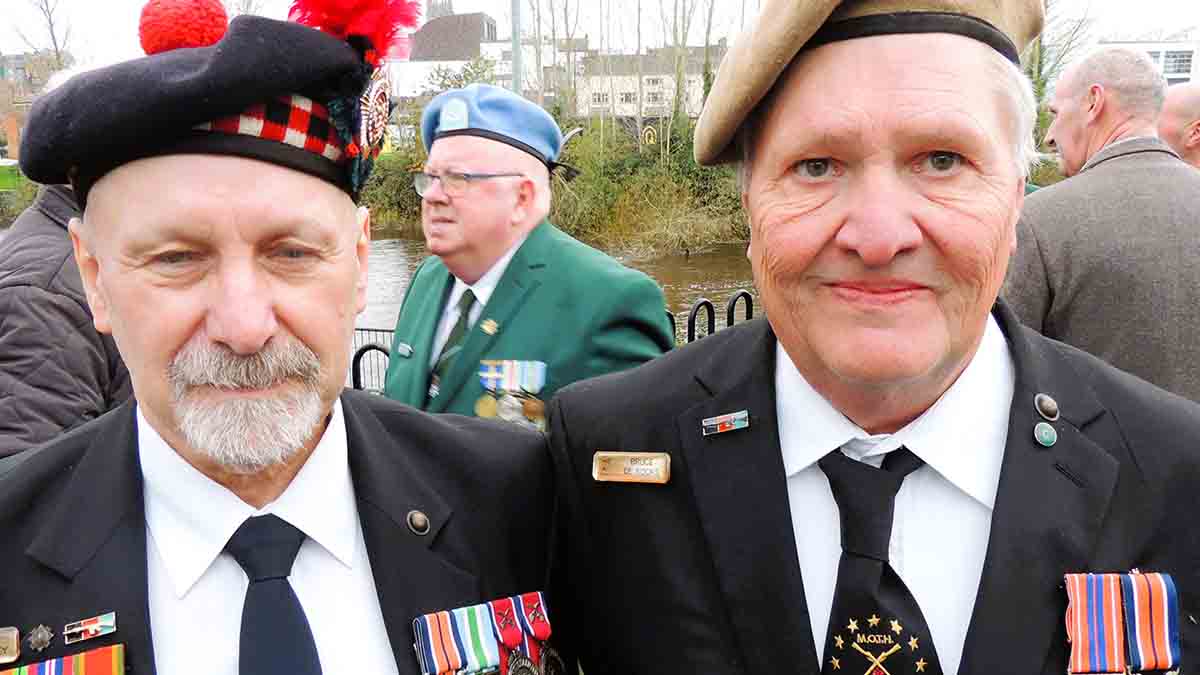
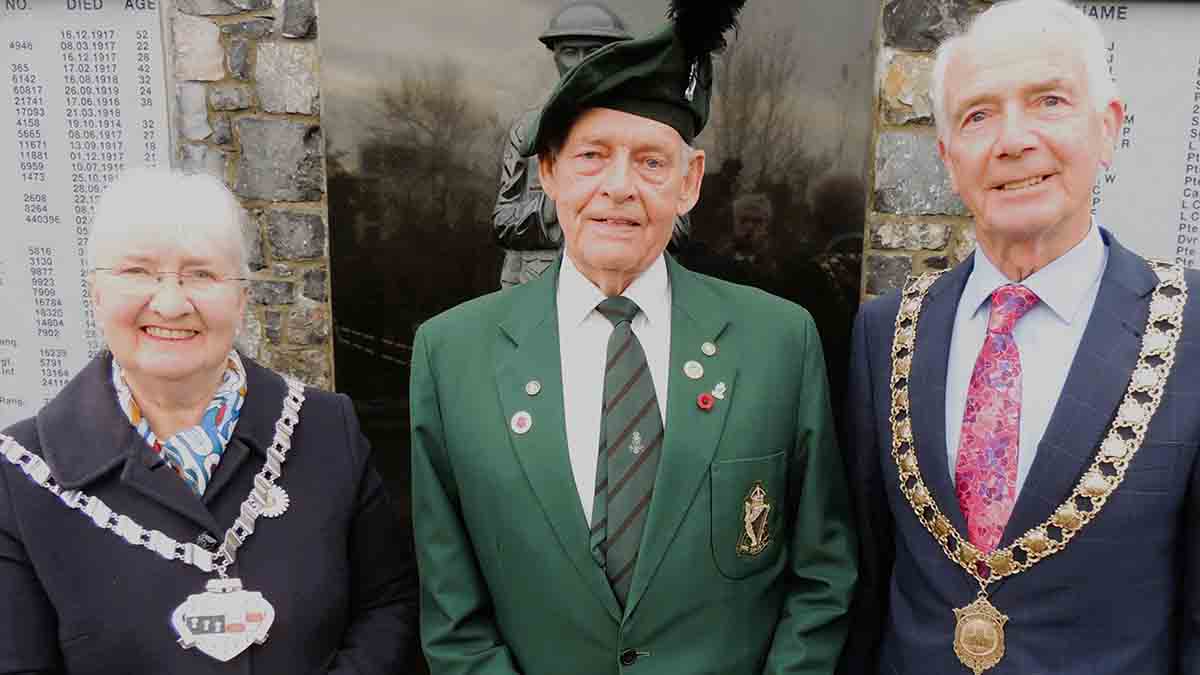
The following people laid wreaths: Cathaoirleach of Kilkenny County Council, Mary Hilda Cavanagh; Mayor John Coonan; Captain Sinéad Ní Bhrian, James Stephens Barracks; Donal Croughan, chair of Kilkenny War Memorial Committee; Cllr Eugene McGuinness; Mr John Collins, Chief Fire Officer; Garda Jamie Doyle; Jim Free, the Royal Irish Rangers; Michael Botha, The Order of Tin Hats; Gus Hennessy, The Order of Ex Servicemen O.N.E.; Liam Barry, United Nations Veterans; Mary Anne Maher, Combined Irish Regiments Aubrey O’Keeffe, Deputy Principal Kilkenny College.
Chairman of the Kilkenny War Memorial Committee, Donal Croughan, thanked the Chair of Kilkenny County Council, Mary Hilda Cavanagh and Mayor John Coonan for their attendance. Mr Croughan thanked all for their participation. The event concluded with refreshments at The Home Rule Club.