


By John Fitzgerald

November is a month of remembrance for those who lost relatives in the two great conflicts of the 20th century. Many of the names are unknown to present generations; though treasured by loved ones who will never forget them. Pictures in old photo albums or displayed proudly on sitting room walls commemorate men who will be forever young.
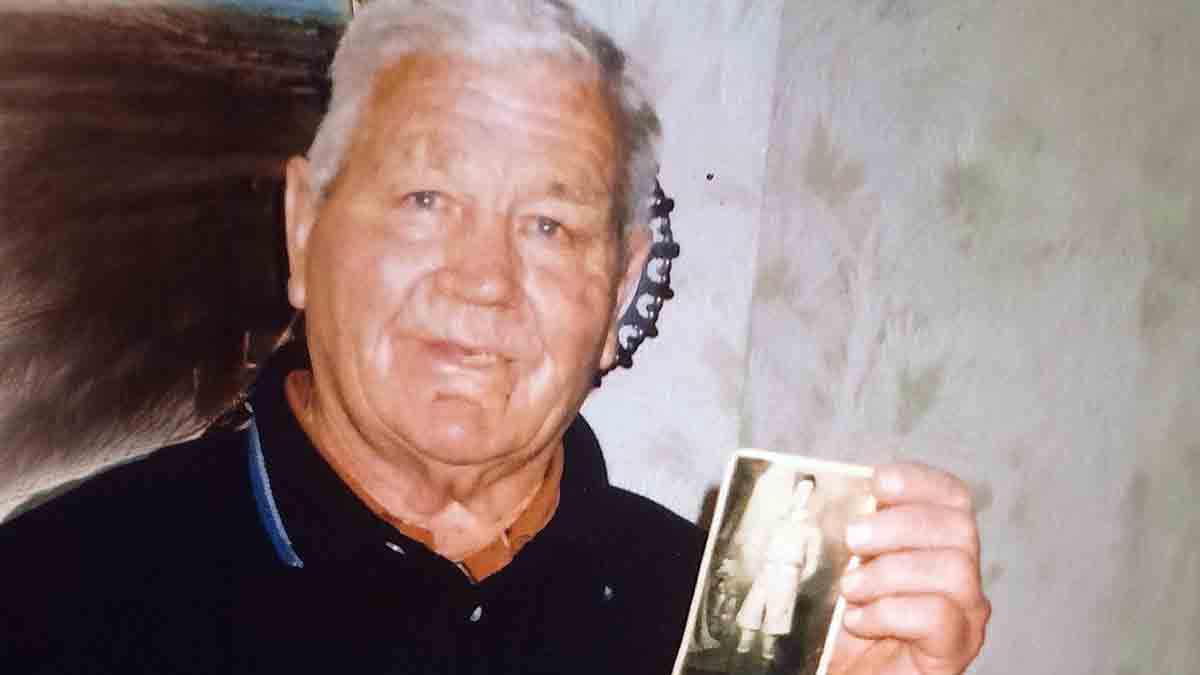
Jimmy Walsh of Callan has a keen interest in that subject and the best of reasons to honour the Irishmen who fell in those “far foreign fields”. He lost an uncle in the First World War and a brother in the second.
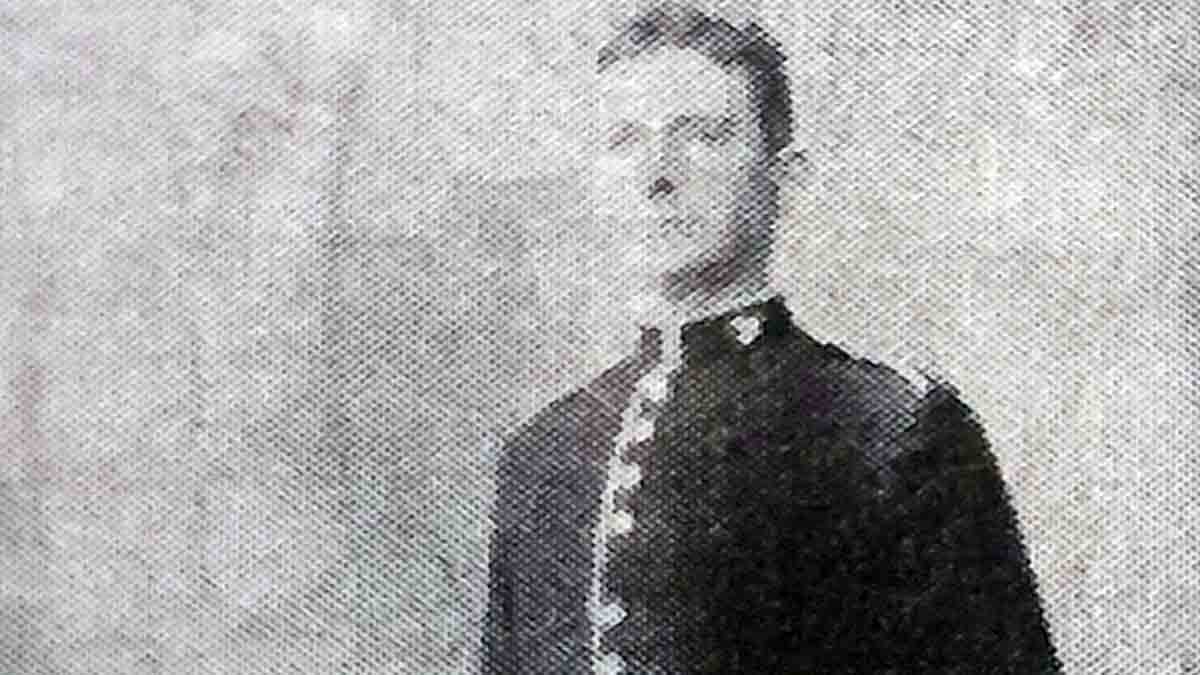
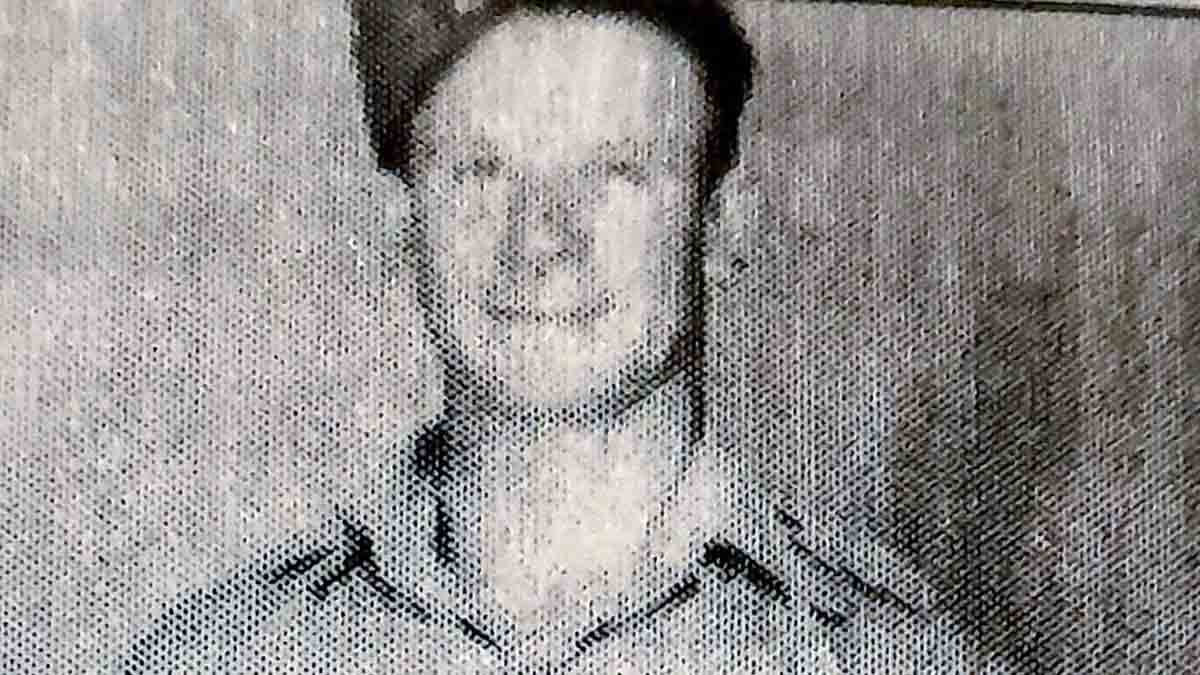
Dick Walsh enlisted in the Irish Guards at the outbreak of war and was killed in 1914. Paddy (Sonny) Walsh, Jimmy’s brother, was killed in Italy in 1945.
Both men died fighting the Germans. Dick died in the first year of the Great War, and Sonny was killed in the final year of World War II. And both had been keen sportsmen back in the Callan of their youth. Each played “Centre Back” with the John Lockes hurling team.
Dick enlisted in the army in response to a promise that Ireland would be granted a form of Home Rule if Irishmen joined the great crusade “in defence of small nations”. He was working with the County Council at the time and most of his workmates also answered the call.
Naturally, the fact that Ireland was itself a small nation at the mercy of a bully “next door” was never mentioned or hinted at in the recruiting posters. Or by the officers who trawled Kilkenny City and smaller towns around the county in search of cannon fodder for the empire.
The supreme and cruel irony of Irishmen helping Britain to “defend the oppressed and downtrodden” of other lands escaped many people in the midst of the hype and jingoism.
Army bands played in Kilkenny on the big recruiting days. Banners and bunting lined the streets. Promises of good pay, comradeship, and the “best years of your life” lured hundreds of young Kilkenny men into joining the ranks of the vast legions who volunteered for service in Europe.
Dick Walsh was among the brave men who took the British at their word and put his life on the line for the cause of a Better World.
Such was the excitement and glamour generated by the recruiting officers in Kilkenny that many men who nipped out of their houses to have a drink in a nearby pub, or to buy a box of matches, were never seen alive again by their families.
Passing the recruitment booths, they let themselves be talked into joining up IMMEDIATELY…without giving it any serious thought.
Before they knew it, they found themselves in training and soon afterwards squatting in trenches…peeping out over acres of mud and blood and barbed wire. And awaiting many of them was the prospect of death or horrible injury from German shellfire, machine guns, a bayonet in the stomach, poison gas, or disease.
But the charming fellow waving the Union Jack who invited you to sign along the dotted line to fight for King and Country mentioned none of that. He was a dab hand at getting you to look on the bright side of the war.
And the recruiters promised that the “whole show” would be over by Christmas.
Dick Walsh of Callan would never see that Christmas. He died on December 15th 1914 of wounds received on a French battlefield.
Dick’s sister, Nans, was grandmother of the famous Sean Holden, who helped to kick-start Callan’s economic recovery in the grim 1950s.
Upon hearing that Dick had been wounded in France, Nans travelled across to England with the intention of visiting her brother in hospital in Southampton. She had heard that he’d been wounded on the Western Front and that he was among thousands of injured troops transported from the mud and blood of the battlefield to a well-deserved break and the prospect of full or partial recovery from their wounds.
But when she reached the hospital in Southampton she discovered that her brother had died on the ship before it reached England.
In the hospital where she had hoped to see him, she instead beheld a sight that made a profound and lasting impact on her. Thousands of live, shrieking, tangled, blood-spattered bodies, contorted by pain and anguish…Some had arms missing, others legs or eyes. Entire faces had been blown away. These men…the ones who survived…would never forget their trip to France or Belgium on that surge of jingoism.
Nans heard the cries of wounded men…but only just. Bands were playing loud martial music in the hospital day and night. The purpose of this, a doctor told her, was to drown out the sounds of weeping and screaming as this could affect the morale of visiting relatives.
Sonny Walsh fought in what could surely be deemed a Just War- against Nazism- unlike the one that preceded it. He served in the North African desert campaign before being shipped to the Italian front. Throughout his war service, he kept in contact by letter with his mother back in Callan. And she wrote to Sonny, keeping him up to date on the entire goings on in the town he had left behind and that he hoped to return to.
In 1935 Sonny had won an Irish Minor Hurling medal with Kilkenny when the John Lockes club won an inter-county championship. And he played in the 1939 Junior all-Ireland with a team that included Jack Mulcahy, Terry Lahey, Jimmy Langton, Sean O’ Brien, and Tod Teehan.
As the war neared its end, Mrs. Walsh dared to hope that her son would soon be back in Callan with his family and the friends he longed to see again.
But then came the message she dreaded and hoped she would never receive. The telegram informed her that Sonny had been killed during a battle in Southern Italy. He died on January 17th 1945, less than four months before the war ended. He was 27 years old.
Jimmy Walsh showed me two pictures: One of his uncles, Dick Walsh, and the other of Sonny Walsh. Dick died in the “War to end all Wars”…and Sonny was killed in the war that came after it.
Both were Callan men who gave their lives for the cause of a better world.
Their sacrifice deserves to be honoured and commemorated. We should likewise spare a thought for the many others who marched out from Kilkenny and elsewhere with bands playing and flags waving…never to return