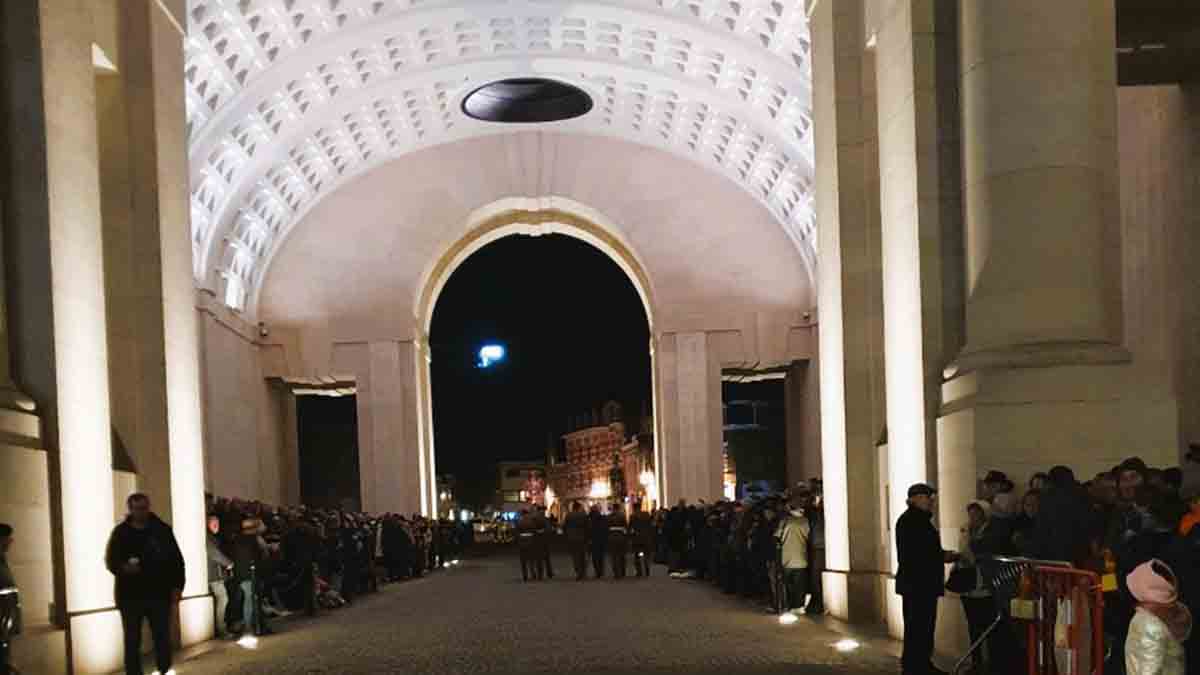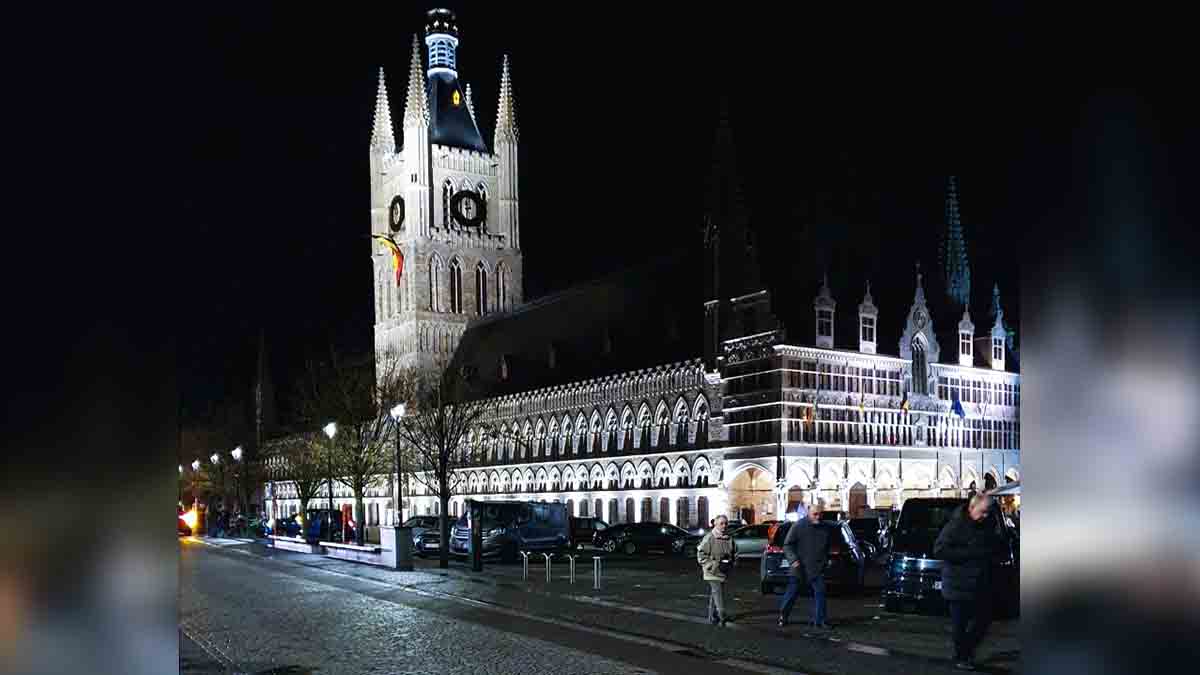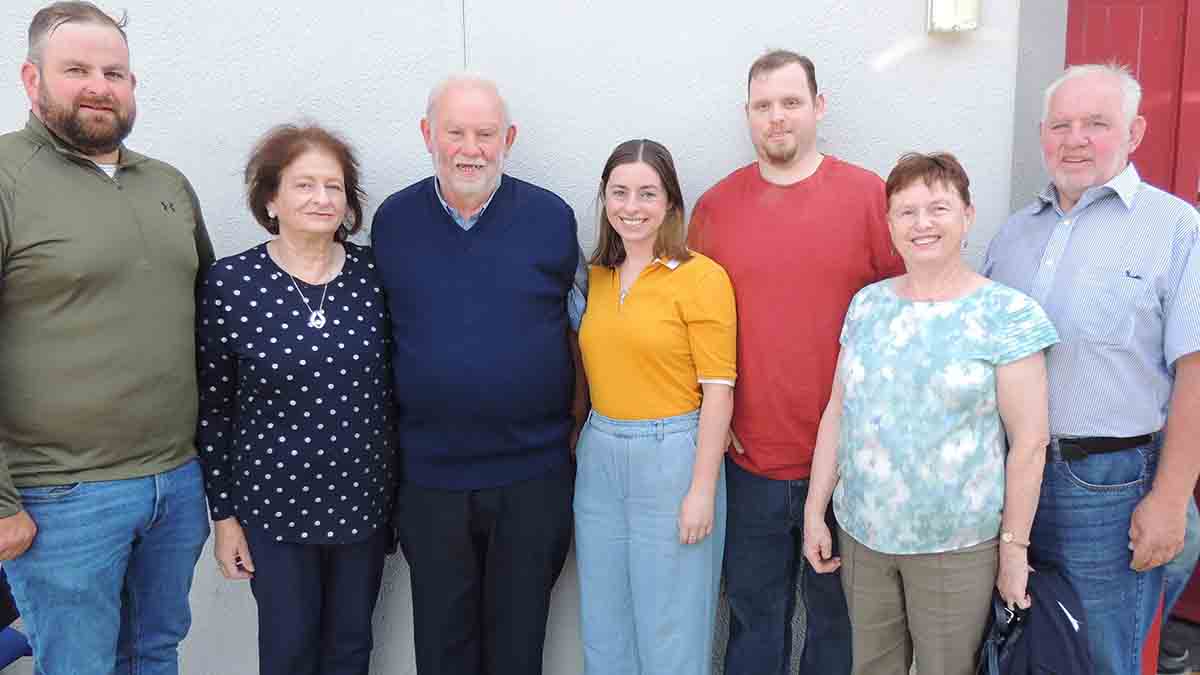



Recently a group from the Kilkenny Great War Memorial Committee travelled to the Belgian city of Ypres/Ieper. Here, they participated in the Armistice Day ceremony at the Menin Gate on the 11th of November, laying down a wreath in memory of all those from Kilkenny County who died during World War I.
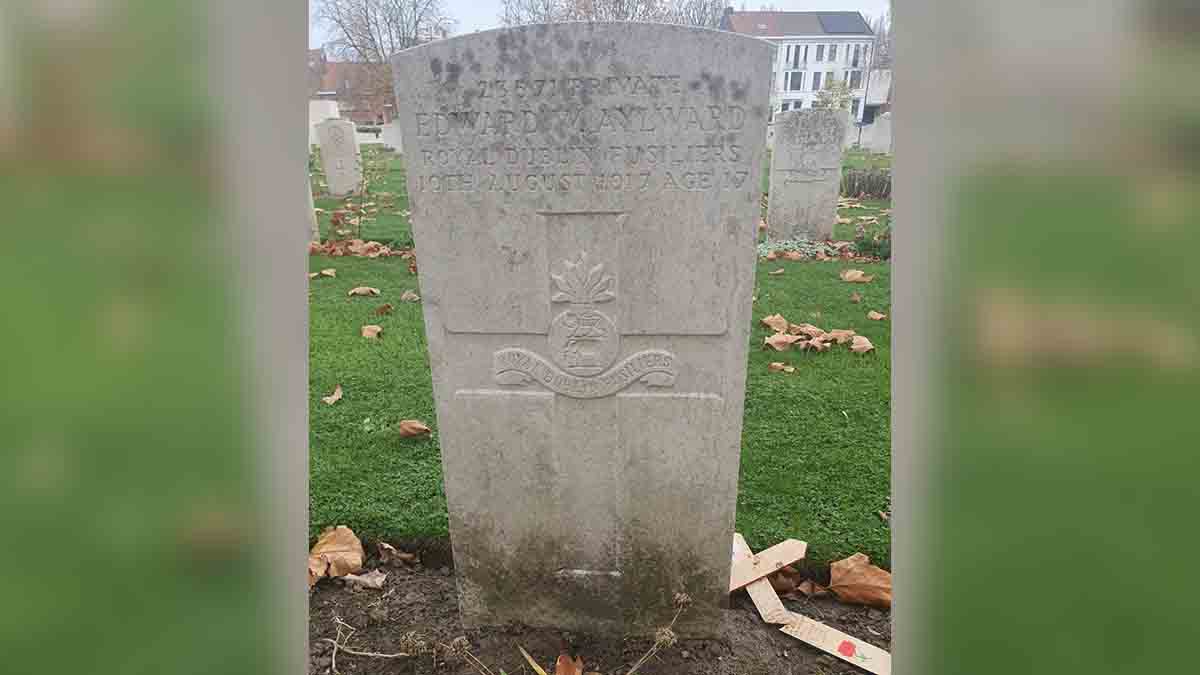
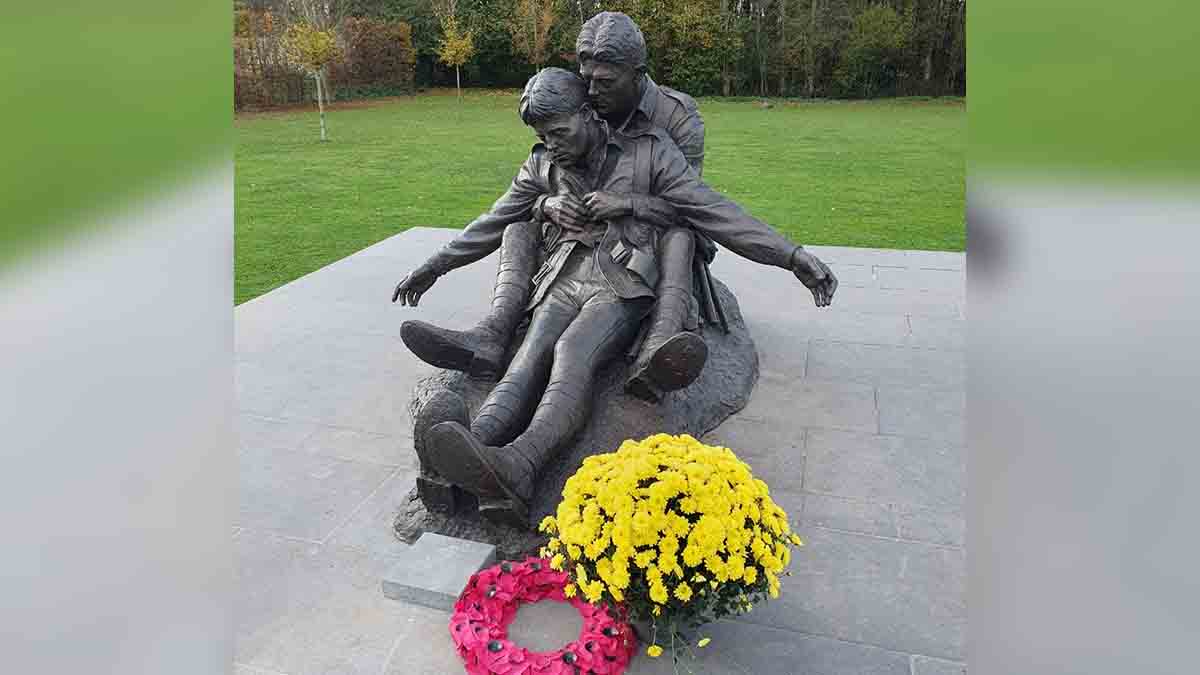
The group visited the grave of the youngest Kilkenny soldier who died in combat. From Thomastown, Edward Aylward was only seventeen years old. He had a very short life, filled with tragedy. Orphaned at a year and four months, his family was split up between relatives, Edward spent his youth living with various family members, including his grand uncle Canon Raftice. At the age of fourteen years, he left school in Thomastown and enlisted in the British Army, ending up in Flanders where he was killed. Today he rests in Ypres Reservoir Cemetery. The group visited many other sites and memorials, including the Irish memorial at Frenzberg Ridge, and the recently unveiled Brothers in Arms Memorial, which remembers the Australian Hunter Brothers. During roadworks, some remains were found and the bodies of those Australian soldiers were the first to be identified using DNA, after an appeal for relatives was broadcast on Australian radio. The memorial now stands as a visual testament to the very moving story of a brother’s love and loss.
Irish bar
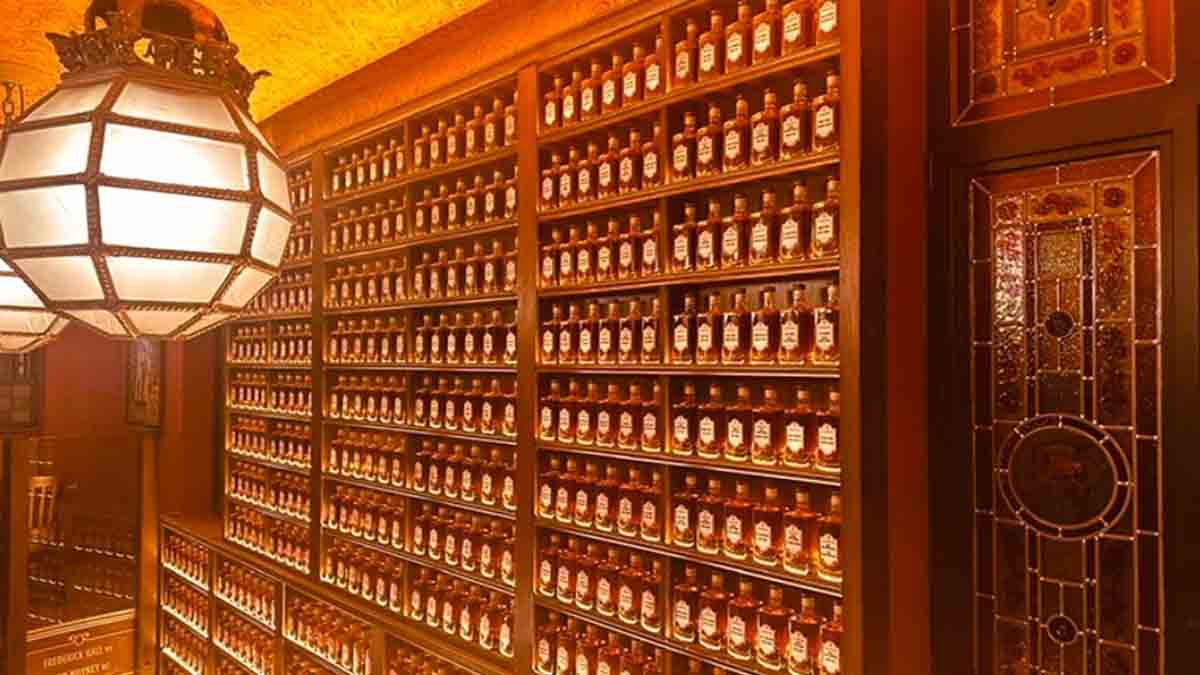
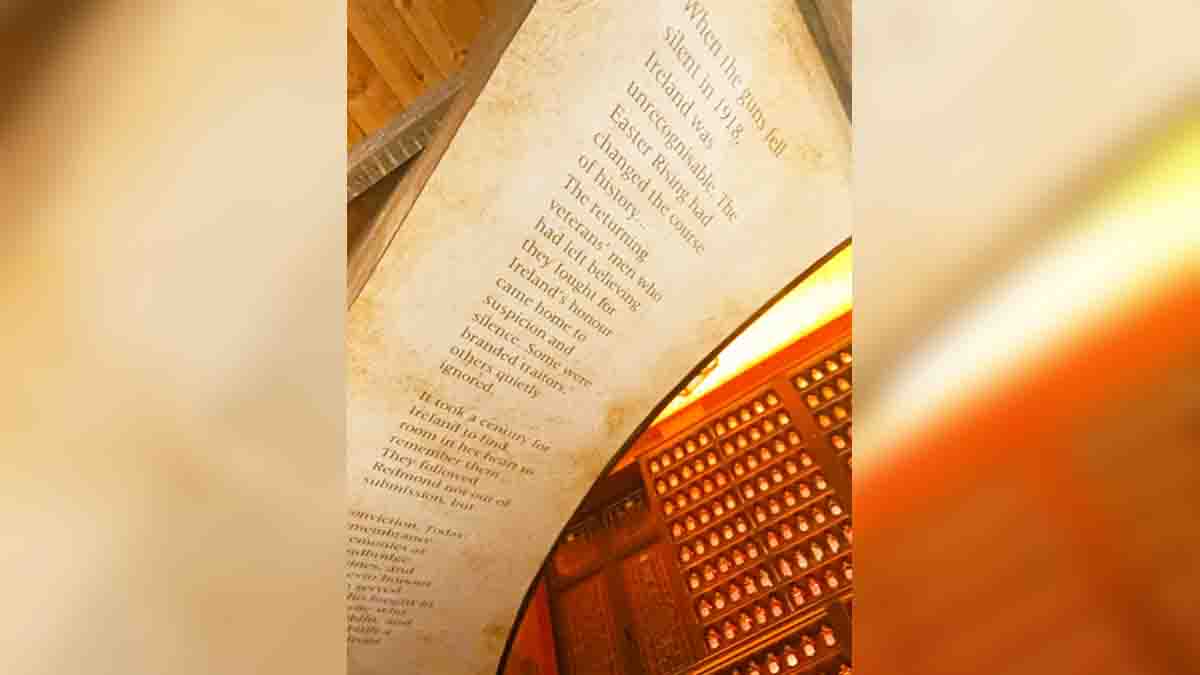
The group later travelled to the Ploegsteert Memorial which holds the name of a committee member’s relative and a few songs were sung in his honour. Another reason for the visit to Ypres was to join with a local Kilkenny man now living in Belgium, who was officially opening an Irish Bar in Ypres. The red ribbon was cut by the Irish Ambassador to Belgium H.E. Mr. Kevin Conmy, the Mayor of Ypres and member of the Flemish Parliament, Ms. Emmily Talpe. The Kilkenny Great War Memorial Committee had been working with Mary’s Irish Bar to help with a memorial display of almost 700 whiskey bottles. These carry the names of the over 1200 men from the island of Ireland, North and South who died in the Battle of Passchendaele on the 16th of August 1917. It is an incredible experience to see all those named who died in the 3rd Battle of Ypres. Also on display there is a life size Belgian draft horse that represents all the animals that died in World War I. There are many other war time photos and displays in the bar, where there are two other different seating areas all designed to a very high standard.
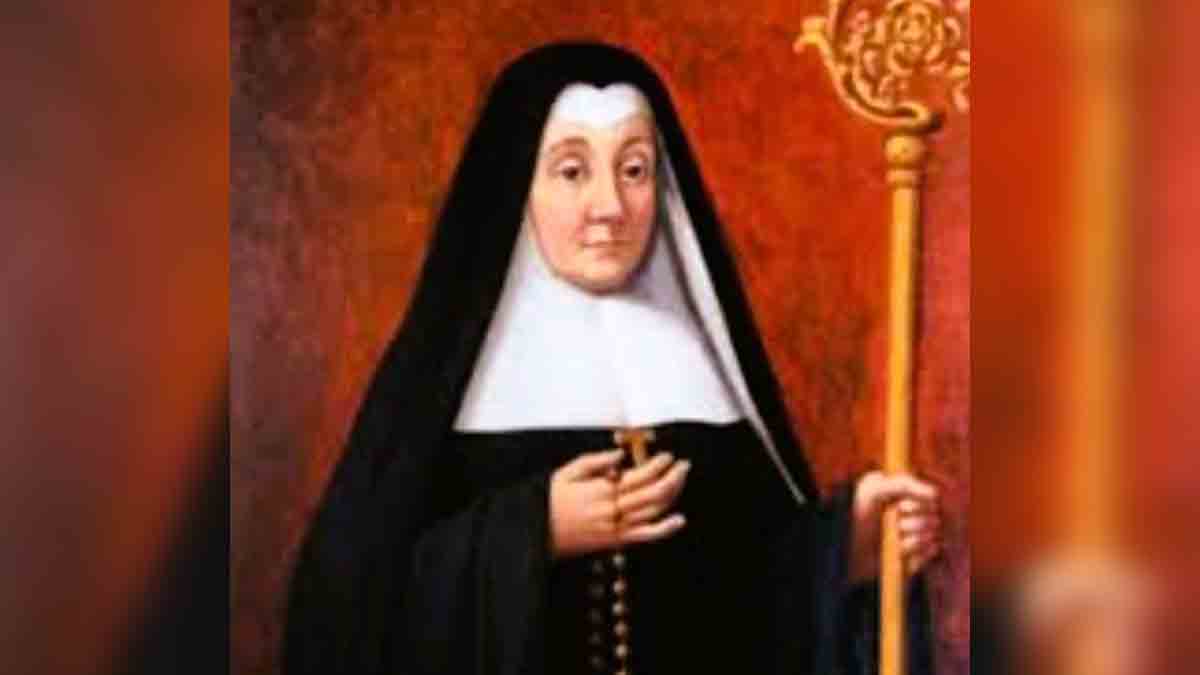
Kilkenny man Patrick said that “Mary’s Ieper is named after my mother Mary Walsh and I look forward to giving a special welcome to the people of Kilkenny and equally to all those from the island of Ireland.” It’s truly a profound experience to visit Ieper with all its Irish and especially Kilkenny connections. Of the over 55,000 names on the Menin Gate, they were never found and lie beneath the soil in Flanders Fields, there are 83 Kilkenny men remembered on the memorial, and before the war the local Benedictine order of nuns was led by Abbess Butler who was from Co. Kilkenny. During WWI the order relocated to Kylemore Abbey.
Major sacrifice
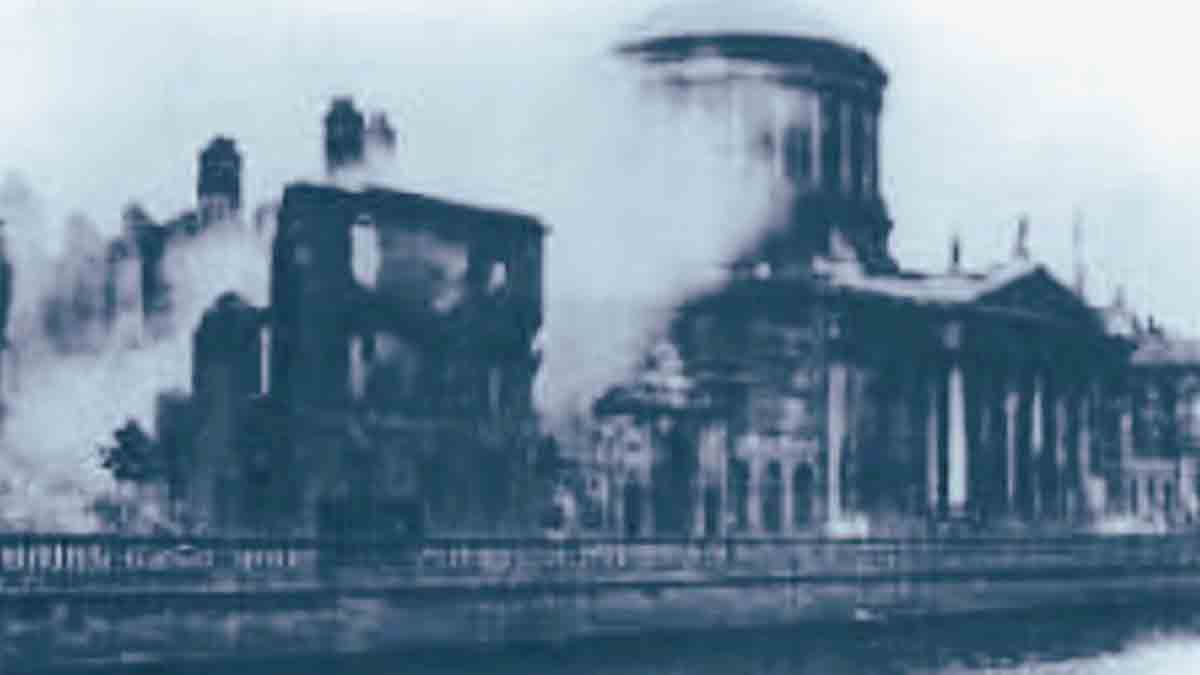
Patrick Foley said that during his research for the various memorials created with the help of the Kilkenny Great War Memorial, he was shocked at the scale of sacrifice that Ireland’s soldiers made. Over 200,000 Irishmen served in World War I with over 40,000 casualties. Patrick can now see the complexities of Ireland’s relationship to the Great War. “My mother’s uncle Issac fought in Ieper and meanwhile his brother Michael fought in the Four Courts in the Easter Rising.” This was a fairly common occurrence, leading to diverse experiences and deep family impacts across both conflicts. It’s shameful that many soldiers returning from the war were branded traitors, especially considering that the conditions they fought in were probably some of the most difficult of any war fought in the history of humanity. He personally thinks if anyone takes the time to inform themselves of the situation in Ireland in the years 1914/15, they would understand why so many ordinary people volunteered to fight. Patrick hopes the movement to recognise the sacrifices of Irish people in the Great War continues to gain pace and is taught in schools with pride not like in his schooldays when it was ‘skipped over’, especially considering that there’s many people alive today that met these brave people. He believes that the possibility of a new memorial being built to all those who fought for Irish independence in Kilkenny is also an important thing to do, they equally fought for the freedom of our small nation. Patrick is equally proud of both his grand uncles fighting in Belgium & Dublin.
Tyne Cot Cemetery
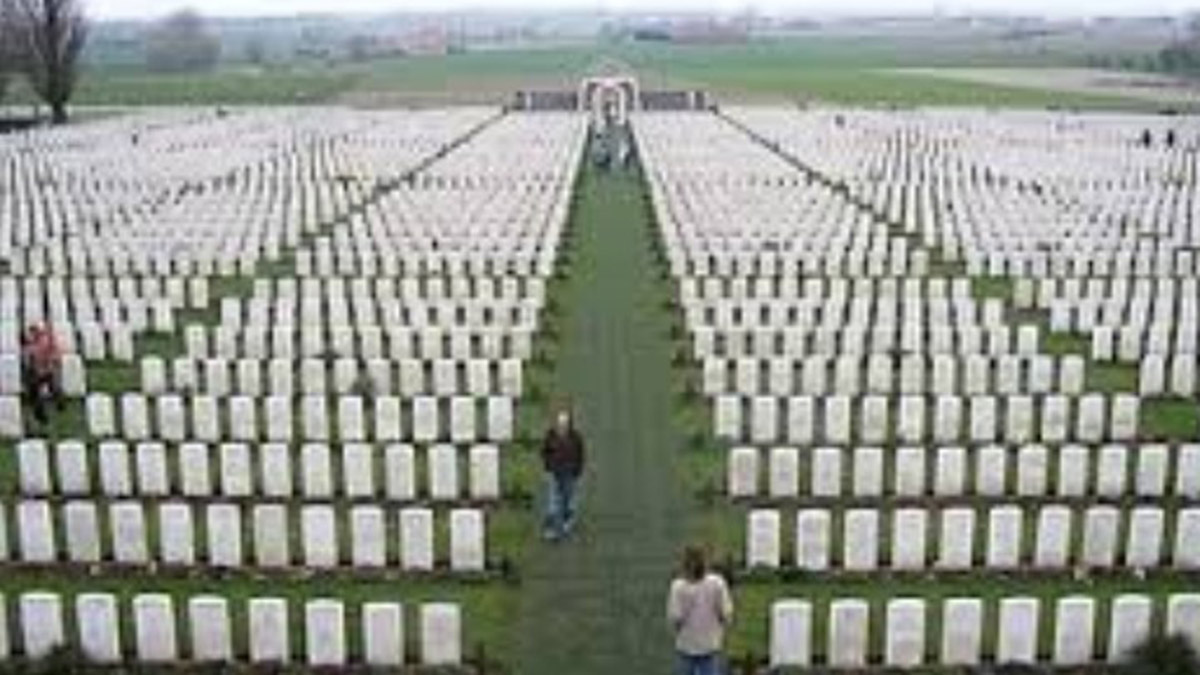
The most sobering place the group visited was Tyne Cot Cemetery, which is the largest Commonwealth War Graves Cemetery in the world.
A spokesperson for The Kilkenny Great War Memorial Committee told The Kilkenny Observer that not alone was the visit to the Belgian city of Ypres/ Ieper most educational and inspirational, but a great bond of friendship had been established. The committee also paid special thanks to Mr. David P Whithorn, who is an author, amateur historian, and a genealogist with special interest in the first world war.
If anyone needs any help to organise a trip to visit a grave or a memorial of a relative, then the Kilkenny Great War Memorial Committee would offer advice on where to visit and give contacts for tour guide and transport. Please email kilkennywarmemorial@gmail.com