


By John Fitzgerald

Many Callan men flocked to join the defence forces over the years, but at least one of them didn’t share his comrades’ fondness for army life.
Nicky Roche of Kilbride (and later Mill Street) became allergic to the marching, training, saluting, parade ground antics, and just about anything of a military nature that upset his urge to be free. His distaste for the army turned him into Callan’s answer to the “Wild Colonial Boy.”
He joined the army in the late thirties, serving as a dispatch rider. He cycled between Callan, Kilkenny, and Clonmel, and sometimes in other counties, delivering urgent messages to barracks and military outposts.
He was getting along quite happily until the outbreak of World War Two and the Emergency. The Defence Forces seemed less appealing to Nicky at this stage, so he decided to try a bit of Absence Without Leave. He threw off his uniform at the Curragh Camp and went on the run.
But Nicky had not considered how he would survive in the wild, and the Guards caught him within a week of his disappearance. He was arrested in Callan and led away in handcuffs under armed escort.
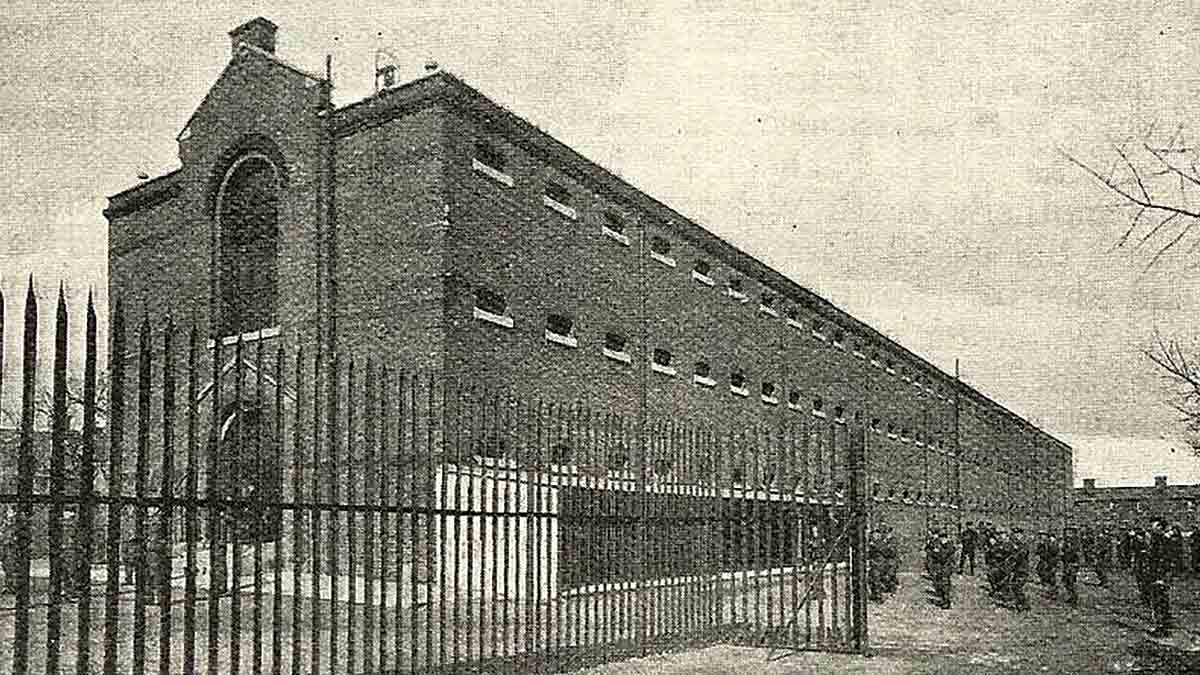
He was court-martialled for desertion. The Military Court expressed its “profound sense of outrage and astonishment” at Nicky’s desertion of his post and sentenced him to 156 days in the Glasshouse (military prison). Shortly after his release in 1940, he made a second bid for freedom. This time, he remained at large for three weeks, a marked improved on his first attempt.
He reached Garryricken wood, where he managed to survive on rabbits, tree bark, and berries. He settled down to a Robinson Crusoe existence, thinking-or hoping-that he could sit out the rest of the Emergency in the wood. But someone tipped off the Guards that a “man living rough” had been spotted among the trees. Rumours spread that a German spy had parachuted into the area. Scores of guards and troops trawled the wood.
Hearing their voices and the barking of bloodhounds, Nicky took to his feet and ran as fast as he could to elude the manhunt. But the odds were against him. He fell into a dyke and was pulled out of it by the soldiers. Dogs ripped at his tattered clothes. His captors spent hours removing thorns from his body. He was covered in cuts and bruises.
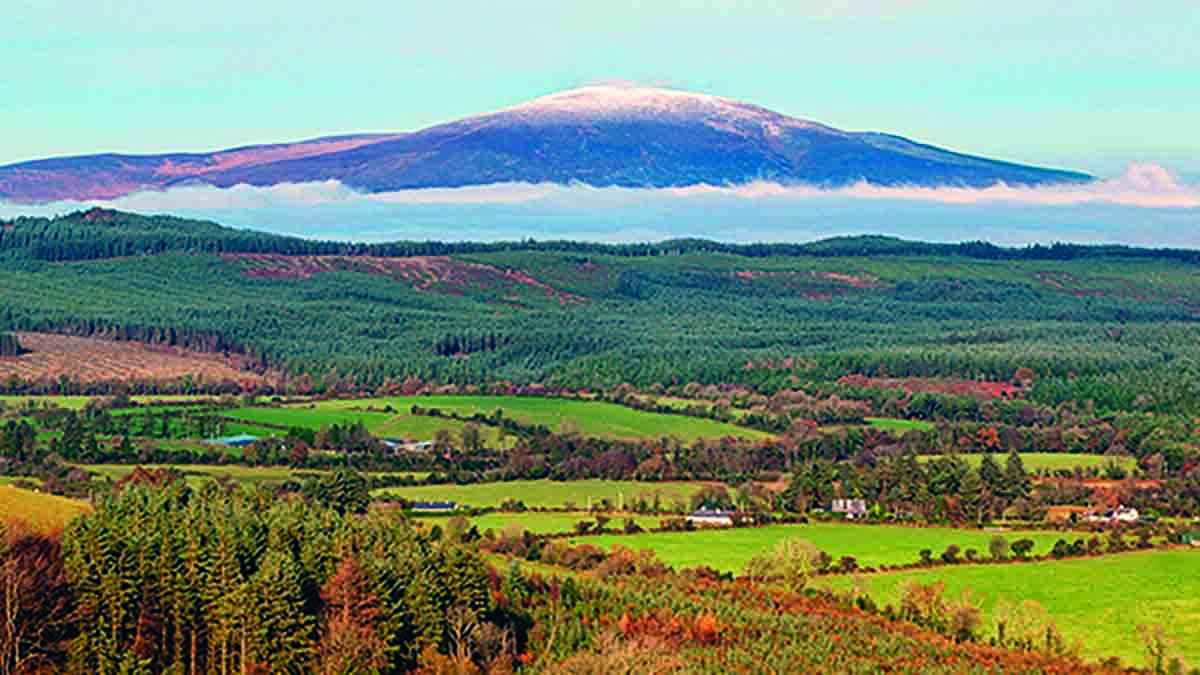
He was court-martialled again and given another jail stretch. Undaunted, he deserted on two further occasions from the Curragh and was re-captured after exhaustive searches by army and police. He reached the summit of Slievenamon during one escape bid, pushing his pursuers to the limits of their endurance. In all, he was court-martialled four times and spent a total of 470 days in the Glasshouse.
Nicky left the army in 1945. Needless to say, the day he said his final goodbye to soldiering was one of the happiest of his life.
In later years, he struck up friendships with guards who had chased him through woods and fields, along country roads, across rivers, and up the mountain. And his old comrades in the army had long since come to respect his almost obsessive yearning to escape the harsh discipline and military routine that went against the grain of his indomitable “free spirit.”
Nicky loved the Moat Carnivals in Callan, and rode a motorcycle up and down the Moat hill to sustained applause from revelers. On the fairground in those sunshine days of Callan’s past he was a man of many disguises, and people who failed to recognize him wondered how the army ever caught up with him, with his uncanny penchant for changing appearances.
Life would have been easier in the army for Nicky if he had blindly obeyed orders and towed the line, friends agreed, but they felt that it took greater courage to defy his officers and throw caution to the wind.
Who knows? Maybe a local musician might someday compose a song about him: Nicky Roche, the man who was “born free” in Callan.