


In Conor McPherson’s play The Weir, being presented by Lake Productions, we are introduced to stories about fairies, local folklore, and the supernatural, allowing us to explore themes of isolation, tradition and modernity, and the human need for connection. The Kilkenny Observer contacted Dr Stiofán Ó Cadhla for his take on the subject.
 By: Dr Stiofán Ó Cadhla
No-one is surprised at the cant that Ireland is overpopulated with folklore, whatever shape that takes, whether it is stories, history or mystery, an old abbey, holy well or ‘fairy’ path. In 1851, just five years after the word folklore was coined in England, renowned Kilkenny scholar John O’Donovan defended his scepticism by insisting that old traditions usurped too many of his nights and days to meet with any disrespect from him. In fact, the now familiar phrase ‘Irish folklore’ appeared a few years earlier in the Transactions of the Kilkenny Archaeological Society. No doubt many people associate folklore with the past, whenever that was, another time, perhaps a generation or two or three since, perhaps before electricity, or television, or science, or history, or some other monumental benchmark. It was a time when everything was folklore or nothing was, depending on the way you look at it. In fact, the terms folklore and modernity are the same age, the latter appearing first in French, dating to the middle of the nineteenth century. Where does that leave the Irish language, where still-contemporary terms like seanchas are ancient, and quite a few specific terms like banshee or piseog resisted translation altogether, sealing or concealing their meaning in English orthography, like the signposts at every crossroads.
Otherworld
The fairy world, what today’s folklorists prefer to refer to as the ancestral Otherworld, is coterminous with reality, a different and timeless world that haunts it somewhere between the holy and the unholy, the godly and the ungodly, the dead and the living, memory and amnesia, Irish and English, some repugning it, others sitting on the fence. The English fairy is related to the Faé, the fate of later Italy, and fée of mediaeval France; the Fatuae were immortal, living near lakes, woods, fountains or caves. The word also shares a root with fetishism, a bugbear of anthropology and ethnology worldwide. Synonymous with Perrault in France, the Grimm brothers in Germany, Andersen in Denmark or Moe in Norway, the fairy tale, apotheosis of folklore for many, was contes de fée in French; yet this refers to the fantastic wonder tale, German Märchen, Irish seanscéal, not to be confused with our ‘fairy’ legends.
Old cod or not?
Shabbily translated, the fairy denotes the síd, sióg or siabhra, considered myth rather than religion in A Handbook of Irish Folklore. These are the ultimate Irish outsiders, not just of religion but also of history, the ghosts of the Gaelic ancestors living on in a parallel geographic wasteland increasingly succumbing to the bulldozer and developer. The spirit of the land itself, desacralised and disenchanted as nature, no longer protected by any ancestral proprietary interest, tabu or prestige. They are often described in English as little people, good people, or even gentry, notably in Máire Mac Néill’s Fairy Legends from Donegal. The latter word was a translation of úasal, connoting sacrosanct or elevated status and veneration. Applying to places as well as people, this ancestral sacred world of godlings is what often appears as an ‘old cod’ or story. When time itself is malleable, where does that leave history, when there is no past or present or future, just the long tension of humanity interrupted occasionally by a familiar cry or knock at the door. Often uninvited, this breaks in upon the perfect geometric grid of progress and time, leaving the present less contemporary, less modern than we thought or like.
Speaking to The Kilkenny Observer newspaper, Dr Ó Cadhla wished the cast from Lake Productions the best with their presentation of Conor McPherson’s play The Weir, which runs for six nights at Thomastown Concert Hall. Stiofán also suggested that those attending do so with an open mind.
Cast includes: Gerry Cody, Niall Morrissey, Derek Dooley, Joe Murray, Ann Murray. Director is Darren Donohue.
Dr Stiofán Ó Cadhla is a Senior Lecturer in Roinn an Bhéaloidis, the Department of Folklore and Ethnology at University College Cork. His latest book is Inventing Irish Folklore: Revivals, Survivals, and Superstitions, due for publication later this year by Cork University Press.
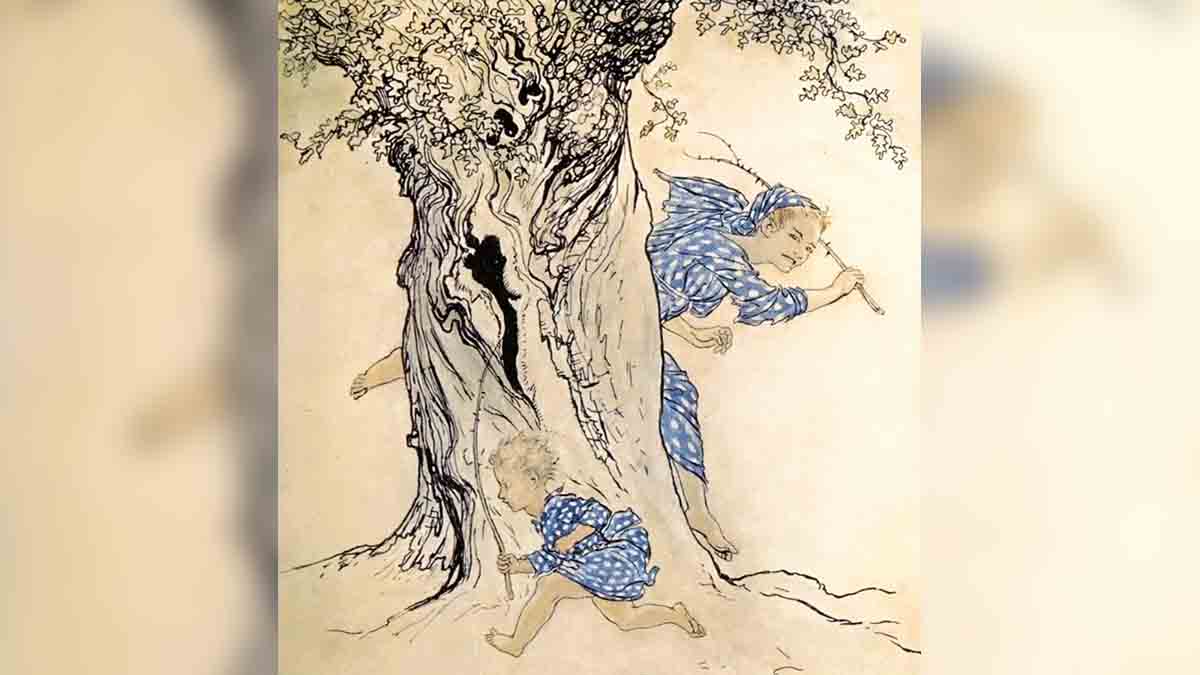
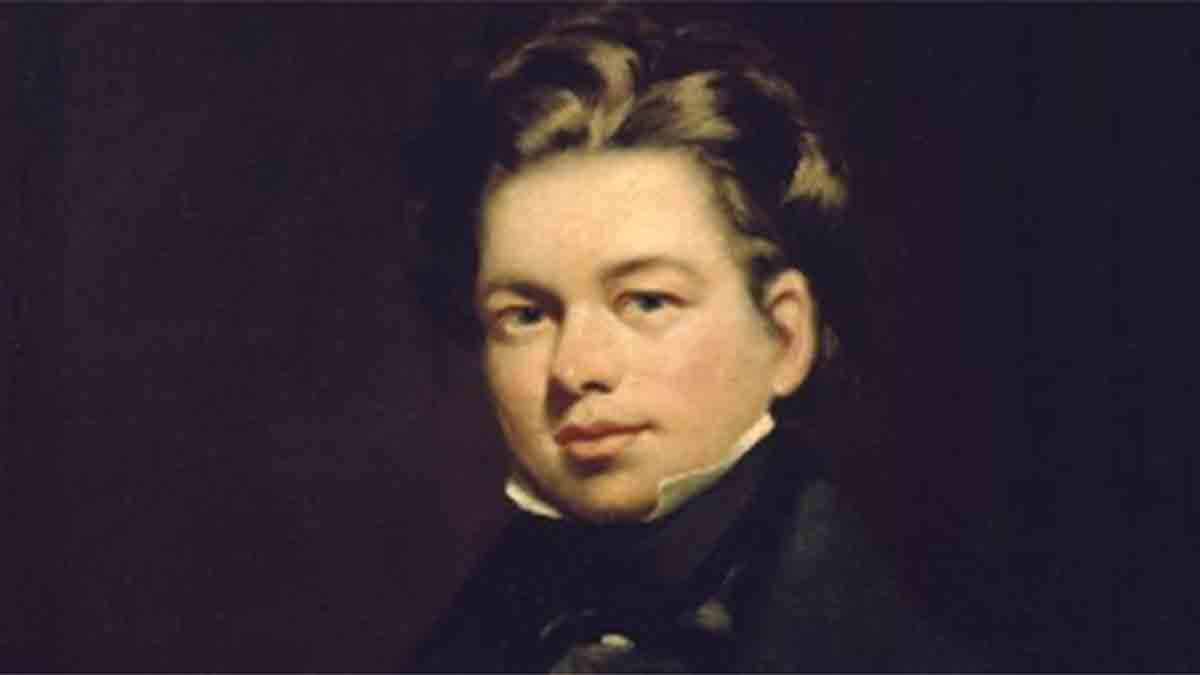
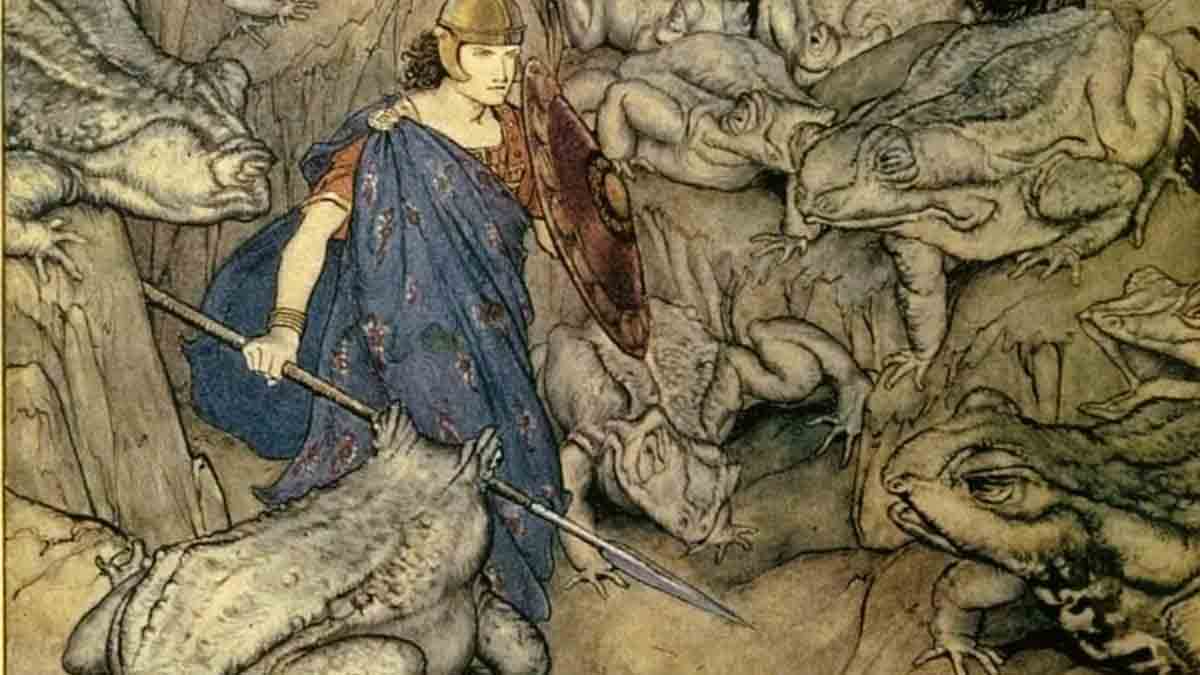
Shots of fairies used from Irish Fairy Tales by James Stephens, and Fairy Legends from the South of Ireland by Thomas Crofton Croker