


By John Fitzgerald

Undaunted by the weather, the Kilkenny Heritage Walkers continue to explore the historic and archaeological treasures of the county.
A recent trek took them into the parish of Ballycallan for an annual walk that has become something of a pilgrimage. St. Brigid’s Well is always worth a visit, but especially around the Feast Day and National Holiday associated with the much-loved Saint/Mother Goddess of Ireland.
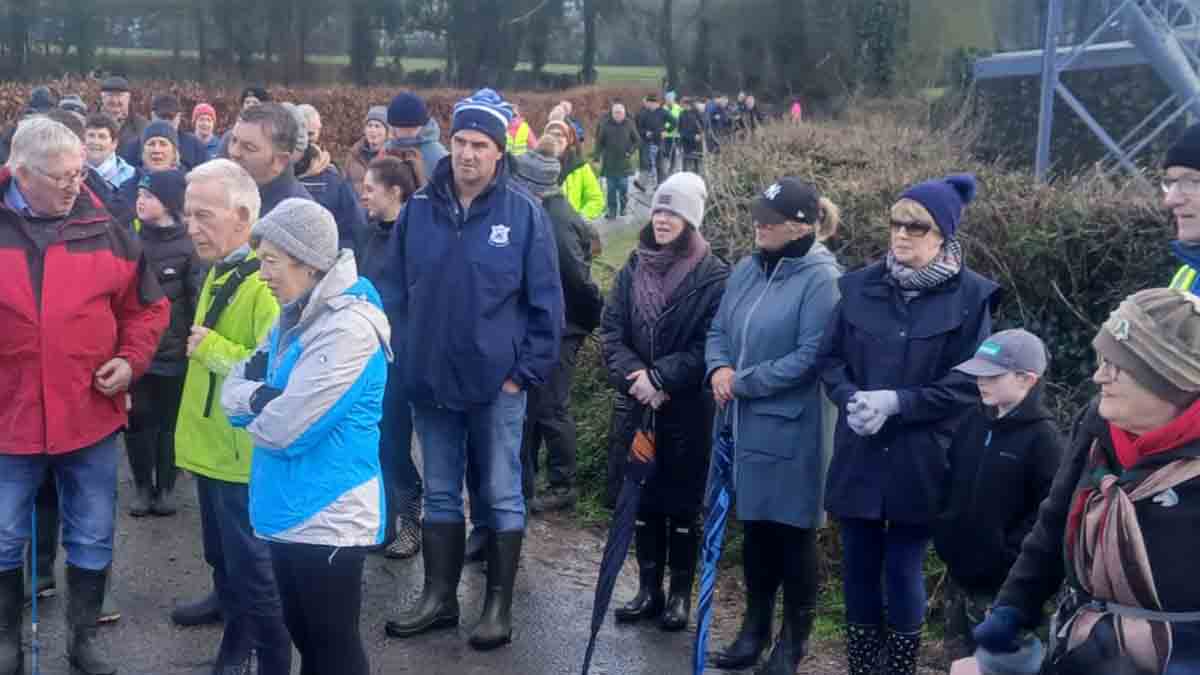
The eighty walkers had as their main speaker for the day the erudite Jimmy Neary, brother of the popular and immensely competent historian, Paddy Neary.
Offering a running commentary as they went, Jimmy led the way along the mile-and-a-half stretch, starting from the Church of St. Brigid at Gorteen, Ballycallan, progressing through muddy and rain-saturated terrain, over mossy stiles, and across a patchwork of soggy fields to the hallowed spot. The well nestles in a 35-acre parcel of land known as Moore’s Bog.
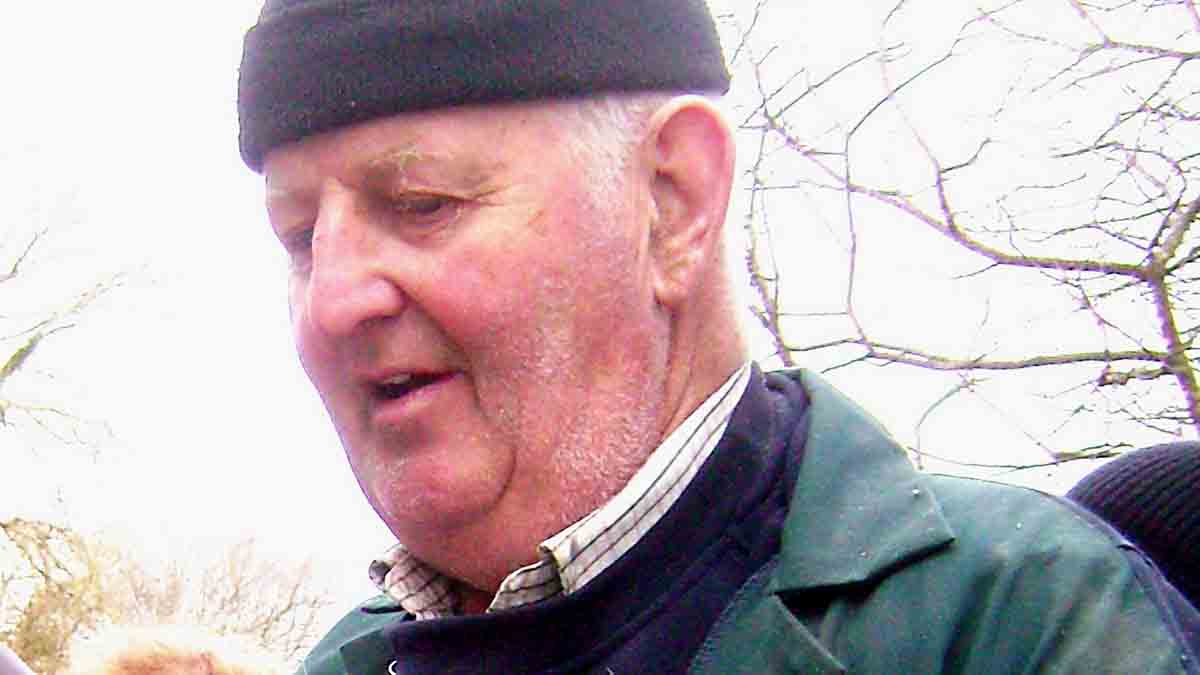
The visit this year had a special significance for the group. It was renamed the Sean Hoyne Memorial Walk in honour of the man on whose land the well is located. Year after year Sean had welcomed the walkers, going out of his way to assist them in their act of homage.
Sean’s passing last year was an occasion of profound sadness to the walkers and to the people of Ballycallan, who held him in the highest regard for his wisdom, community spirit, and the kind word he had for everyone.
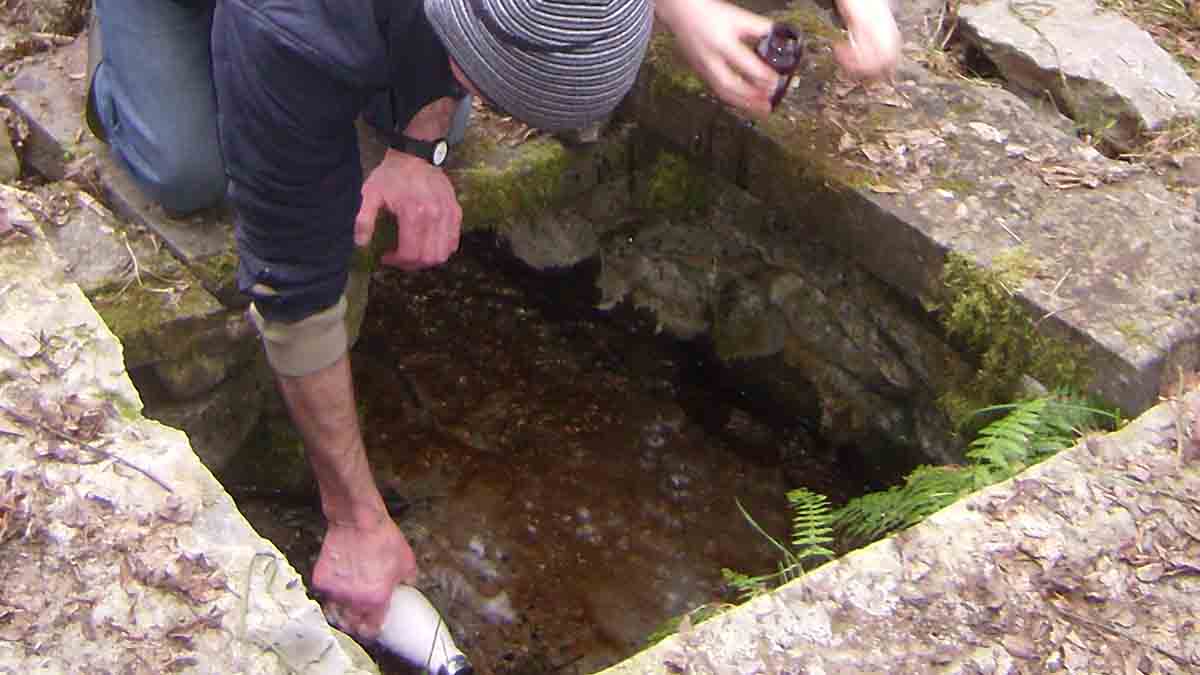
The walkers fell silent when they gathered around the well, which is enclosed by an impeccably- preserved stone casing.
Though the well’s actual age is uncertain, it’s believed to predate the Norman Invasion, and it might even have existed during Brigid’s earthy sojourn in the sixth century.
Ailbhe Fitzgerald sang a haunting thematic hymn at the well and Marianne Kelly recited a special prayer to St. Brigid. The walkers then sampled the water, which tradition says can cure multiple ailments.
Each year, the walkers attest to a lovely tranquil atmosphere at the well. This year newcomers shared in the feelings of joy and divine reverence that permeate the site.
After the visit, the walkers congregated in Ballycallan Community Hall where refreshments and a big open fire awaited them
Three National Monuments
The walkers found another blessed well in Callan, along with a wealth of historical minutiae.
Liam Rice of the local Heritage Society extended a hearty welcome to the group before introducing them to Callan’s three national monuments.
Hugh de Mapilton, Bishop of Ossory, built St. Mary’s Church in the mid-13th century, as I mentioned in last week’s article.
Liam pointed out some of the distinctive features of the Green Street building, such as the carved head of a woman with an idiosyncratic horned Tudor-era headdress on the north doorway, and a square baptismal font within the choir section.
He alluded to the revered “Trinity Stone,” carved by the great Rory O’Tunny in about 1520, that once stood proudly at St Mary’s. It went missing from the site and its whereabouts remained unknown for centuries.
Thankfully, it was located again in 1974 and is now on display at the Church of the Assumption, to which Liam led the group to view this priceless jewel in the crown of Callan’s heritage.
He guided the resilient walkers across damp and squelchy ground to behold a second National Monument; the historic Callan Motte (locally called the “Moat”) built in about 1217 by Geoffrey FitzRobert.
For decades it consisted of “a castle on hill”, symbolizing the power of the ruling classes. It had a hall made of wood, with shingles, a stone chamber, a kitchen and other rooms. It continued to shine as an abode of the conquering Normans until the 14th century.
A little of its former glory returned in the late 1950s and early 1960s with the “Moat Carnivals”, when a hilltop marquee accommodated dances, show bands, beauty contests, and the controversial “best baby in Callan” competitions. For the carnivals, the Moat field was transformed into a giant fun-fair, open-air casino, and sporting arena.
Thanks in large part to the vision and stamina of the late Patrick Lydon, a walkway around the Moat field was added which, apart from its recreational value, makes it easier now for visitors to appreciate this important heritage site.
The walkers stepped onto holy ground when they entered the scenic meadow encompassing the ruin of the town’s Augustinian abbey, the area’s third National Monument and one close to the hearts of locals.
Founded in the 15th century, it was both a spiritual hub for the locality and a repository of knowledge, with its vast library of scholarly and sacred volumes. The friars had to flee in 1540 when King Henry VIII suppressed the monasteries, and again in 1650 when Cromwell’s troops ransacked Callan.
Newcomers to the site gaze in wonder at the long, rectangular building with its central bell-tower, but no matter how often you visit the meadow the abbey never fails to pull at the heartstrings.
Among the many attractions of the abbey ruin are the sedilia- a form of seating for officiating priests in past times. It is one of the finest of its kind in Ireland and possibly one of the most photographed.
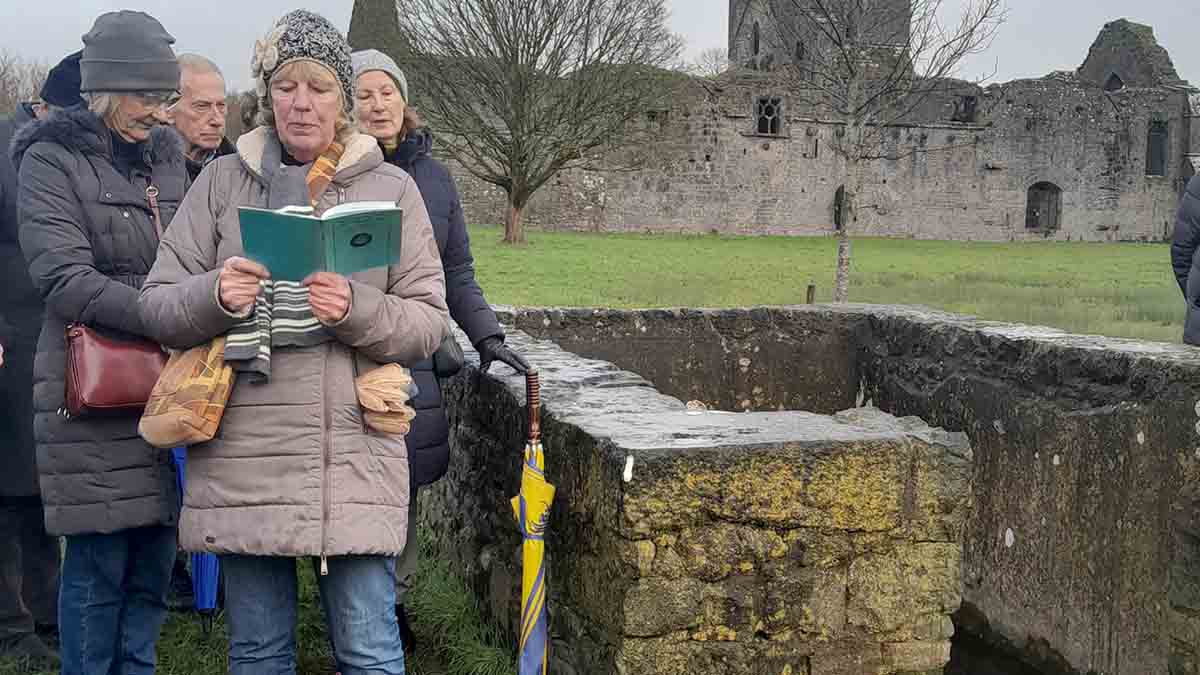
The walkers couldn’t leave the meadow without gathering at the much-loved blessed well. In past times, locals filled their buckets there and a belief persisted that the water cured strains, swellings and sore throats.
In the days before radio, never mind TV or computers, there was a longstanding tradition of singers performing at the well
The renowned 19th century Callan Fenian, John Locke, exiled from his native town, composed a poem about this cultural gem, which is located between the abbey ruin and the King’s River. 3000 miles from Callan he penned The Old Abbey Well.
Standing beside it, Marianne Kelly read a verse from the heart-wrenching poem:
…Dear scenes, full of happiness, contentment and pleasure,
The meadow, the river, and moss-covered dell;
But dearest of all, and revered beyond measure,
The spot where it bubbled, the old Abbey well…
(The Kilkenny Heritage Walkers will be touring and rambling again in the coming weeks and months, starting on Saturdays at 11. a.m. from the Horse Box on the Parade, near the castle, unless otherwise stated.)