


The Kilkenny Observer welcomes John Comerford from Kilkenny tours who will bring us on trip to visit various locations in Kilkenny city and county. The Kilkenny Observer is delighted to bring you a piece of history on the first Friday of each month. To give the full history on each location would take up too many column inches, but we hope that the information shared, will, at the very least, whet your appetite in discovering Kilkenny’s rich history, architecture, and hidden gems. This week (number 5 in the series) John visits St Lachtain’s Church, Freshford.
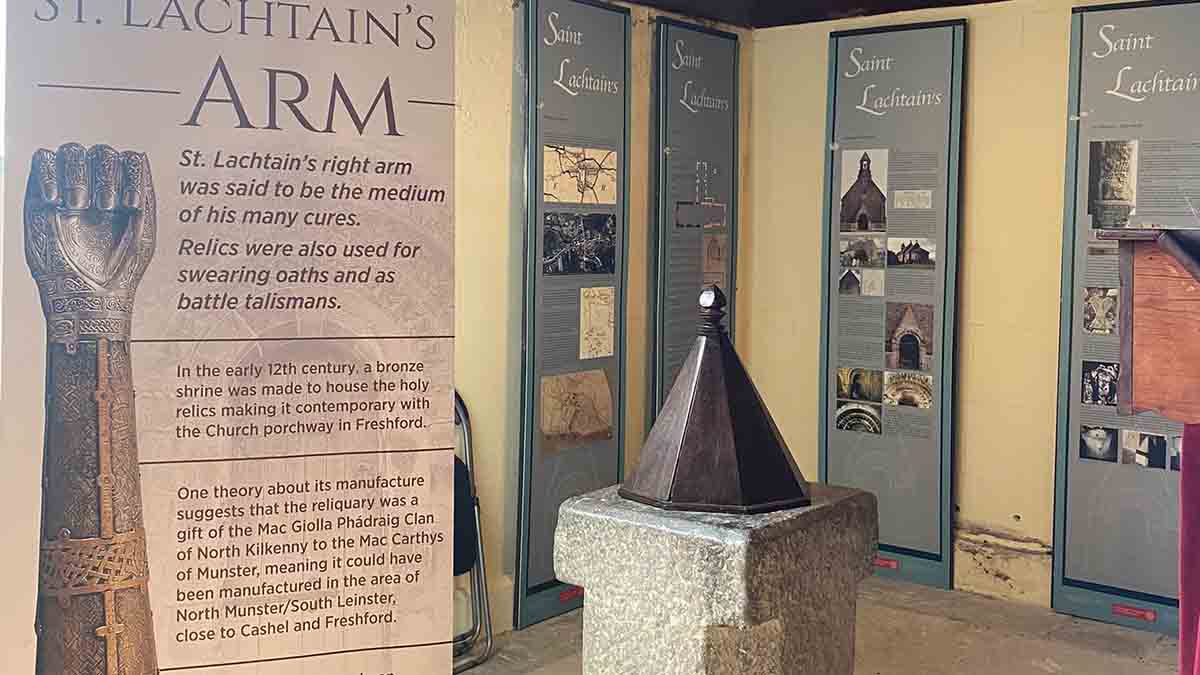
St Lachtain’s Church stands on one of the most ancient and continuously used ecclesiastical sites in County Kilkenny, a place where worship has been carried out for well over thirteen centuries. Its origins lie in a 7th‑century monastic settlement founded in honour of St Lachtain, a revered early Irish saint celebrated for his healing gifts, scholarship, and missionary work throughout the early Christian world. Lachtain died in 622 AD, yet the community he established endured, becoming an influential centre of Christian devotion, hospitality, and learning within the medieval kingdom of Ossory. Over time, the settlement that grew around the monastery formed the early nucleus of Freshford, shaping the village’s identity and anchoring its cultural life for more than a millennium.
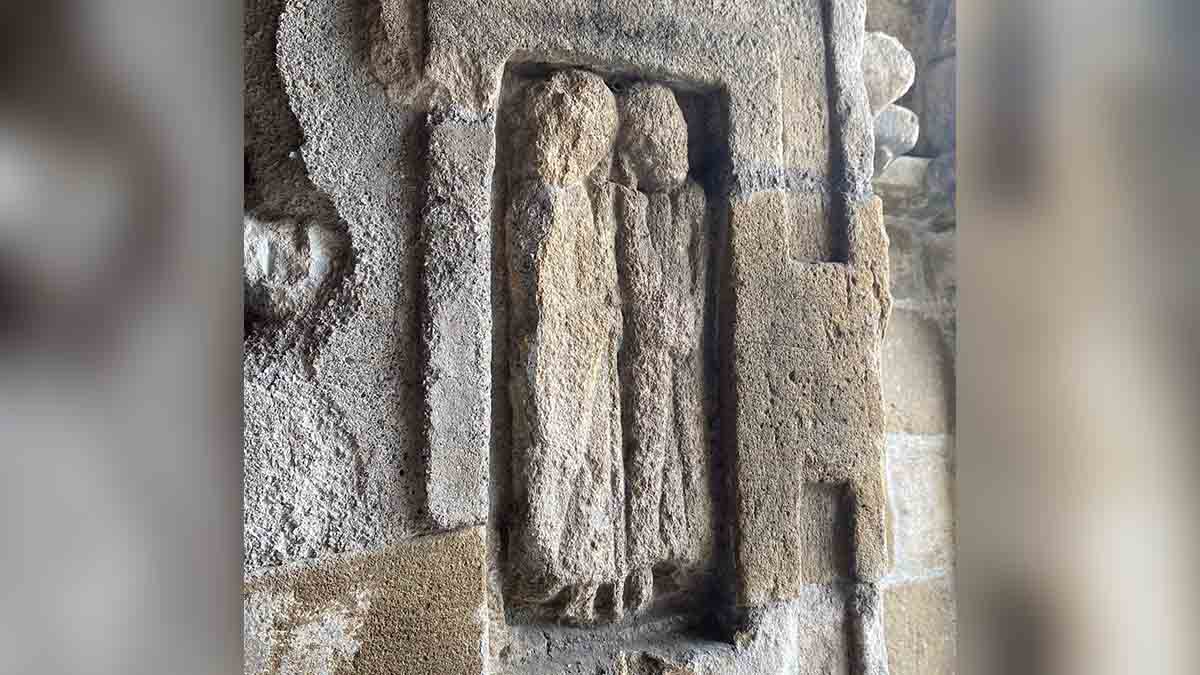
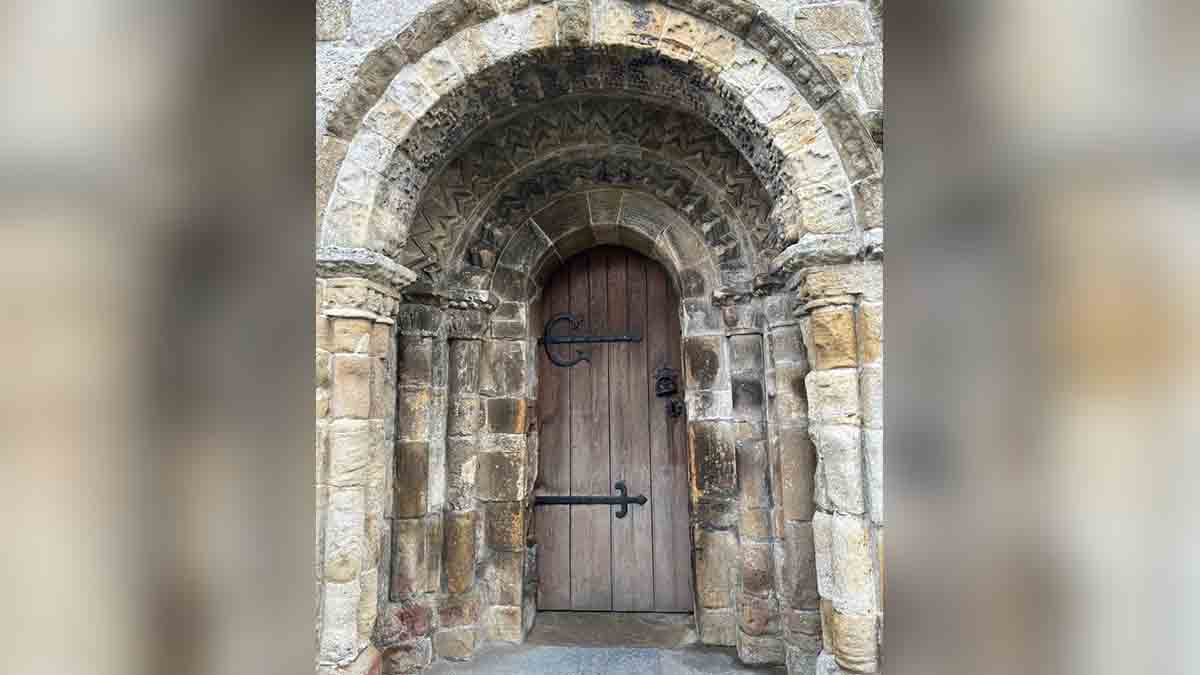
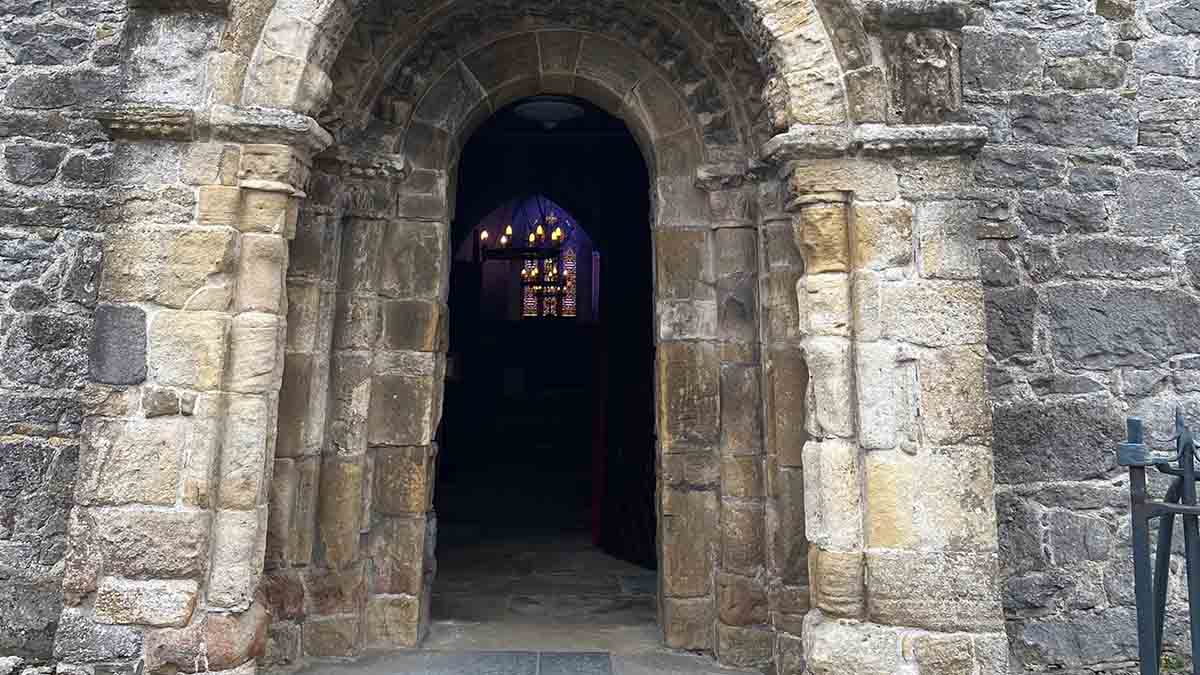
Although the medieval church no longer survives in full, one extraordinary element remains: the Hiberno‑Romanesque sandstone doorway, dating from around 1100 AD. This doorway is widely regarded as one of the finest examples of Romanesque carving in Ireland, distinguished by its bold chevron patterns, intricate interlace, and finely sculpted capitals. It stands today not only as a masterpiece of medieval craftsmanship but also as a symbolic threshold between the everyday world and the sacred interior of the church. Its survival is remarkable, and its presence provides a direct architectural link to the monastic community that once flourished here.
The present church building dates from 1731, constructed for the Church of Ireland community during a period of widespread rebuilding across the region. Although the medieval structure was replaced, the Romanesque doorway was carefully preserved as a proud reminder of the site’s ancient origins. In the 19th century, protective iron gates were installed to prevent locals from sharpening knives on the soft sandstone — a long‑standing practice that, according to local tradition, was gradually damaging the carvings.
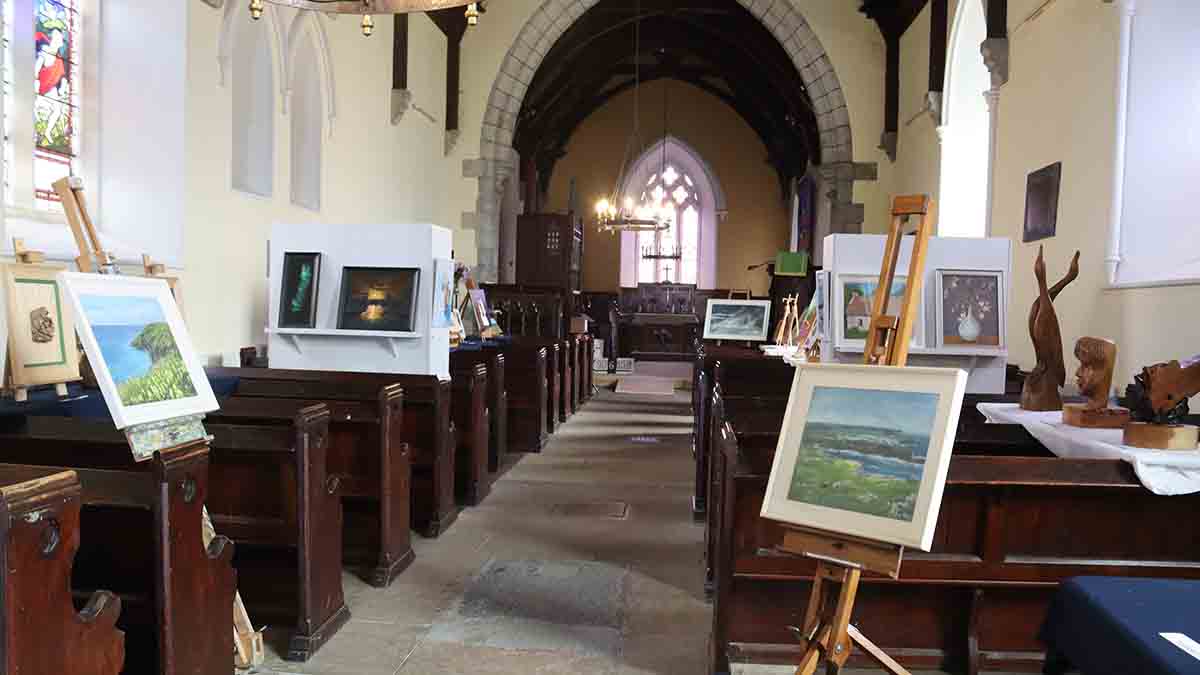
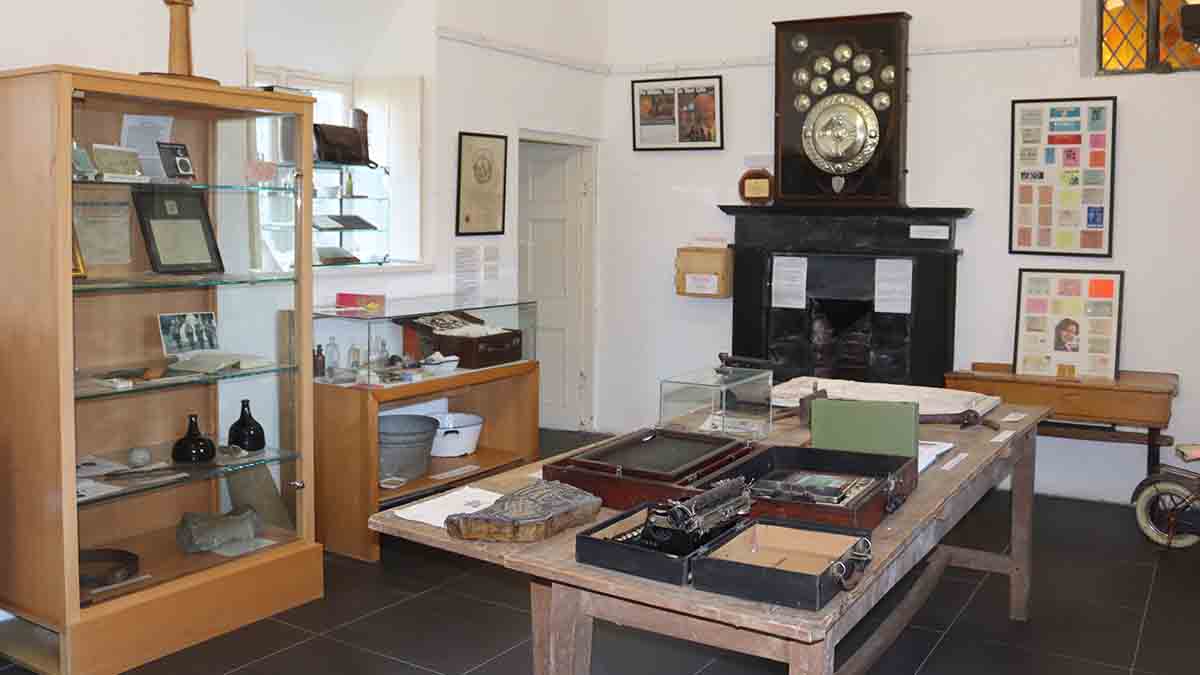
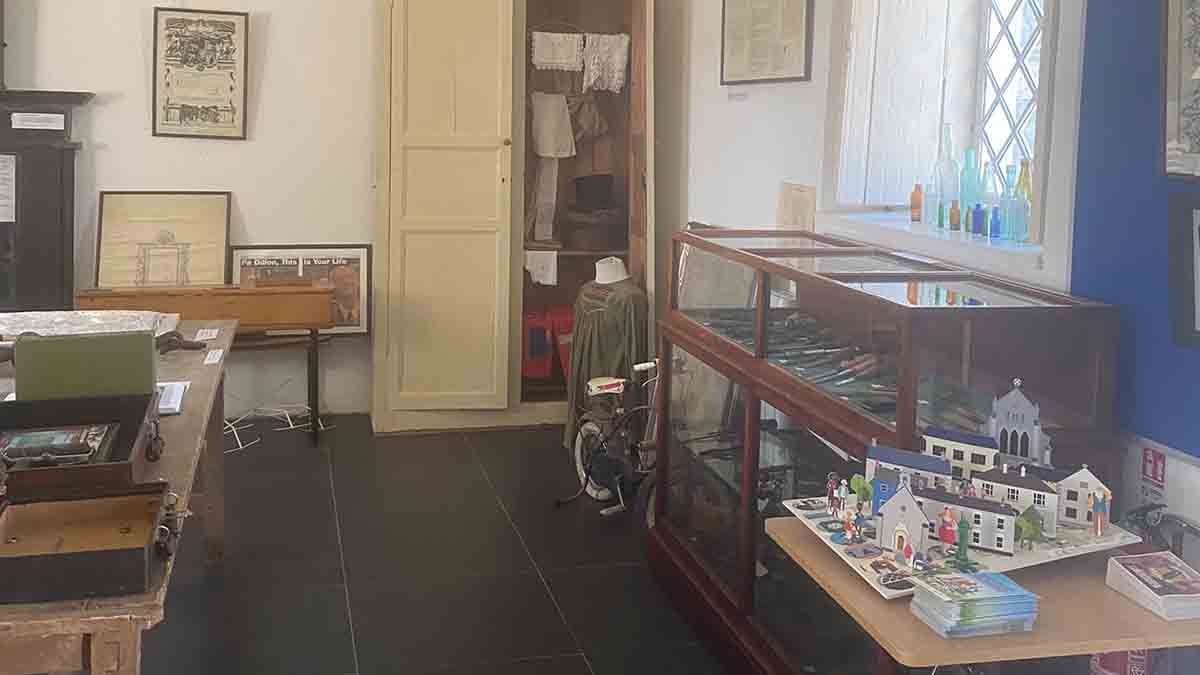
Today, St Lachtain’s Church serves a dual role. It remains a working Church of Ireland parish church, continuing a tradition of worship on the site that stretches back over 1,300 years. At the same time, it houses Ionad Lachtain – Church, Arts and Heritage Centre, a vibrant cultural space dedicated to interpreting the religious, artistic, and community history of Freshford. Through exhibitions, educational programmes, and heritage events, the centre celebrates the story of St Lachtain, the skill of medieval artisans, and the evolving life of the village. The church stands today as a living monument — a place where faith, creativity, and community continue to meet across the centuries.
With thanks to Kilkenny digital archives, Eva Holmes, John Comerford and Maria Comerford for photos