


AS I SEE IT
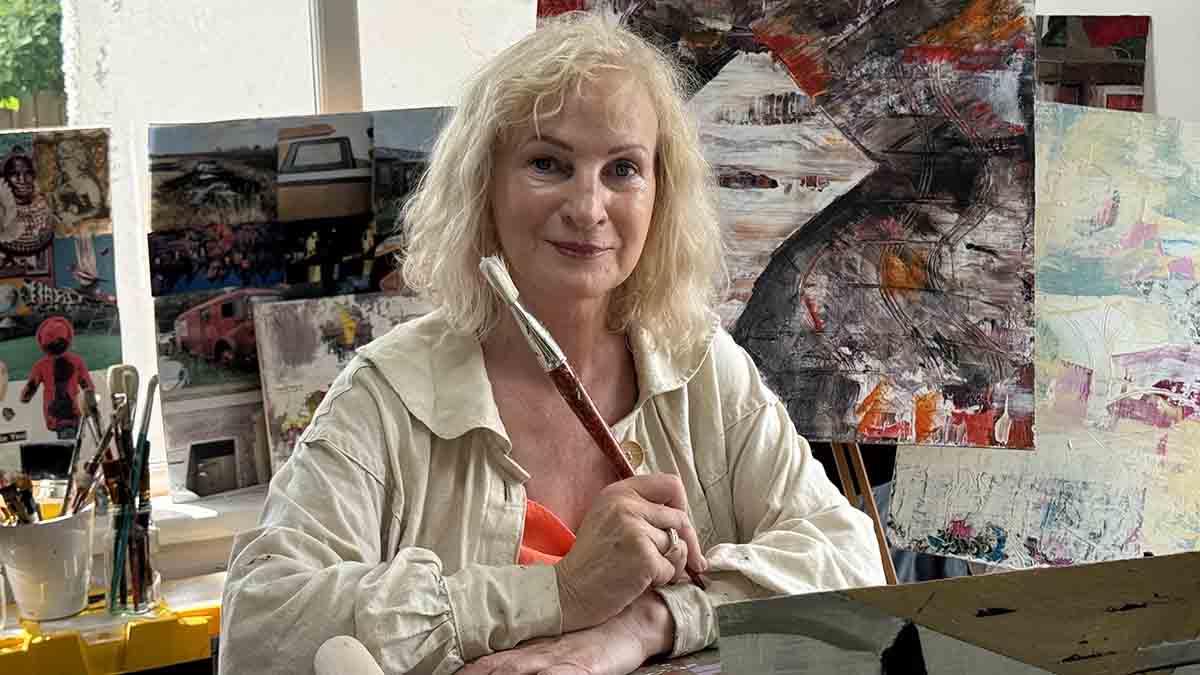
BY MARIANNE HERON
“In this world nothing can be certain but death and taxes,” wrote Benjamin Franklin. When it comes to inheritance, the two, combined, can pose uncomfortable questions over when you may die and how much Revenue is going to grab from what you hoped to pass on to the nearest and dearest you leave behind.
Dearly departed can take on a different meaning for a parent who wishes to leave their home to a child who is probably locked out of ownership by the housing crisis. In my case leaving my house to my offspring looks impossible. Why? Because the house would have to be sold in order to pay inheritance tax since its value is above the ceiling of €400,000 exemption on tax allowed for children, as many houses are these days, particularly in Dublin. If I had an investment which could be realised to pay the tax, a double whammy could come into effect where Capital Gains Tax would be due on any increase in value of the investment. In other words more tax would have to be paid on order to pay tax.
Until recently I thought of my assets as having a reasonable pair of legs and a good sense of humour. But making a will – half of us still avoid doing this, dying intestate, rather than making life easier for family members after our deaths – put assets in a different perspective. Jokes about SKIING (spending the kids’ inheritance) might be funny if they didn’t involve trying to calculate how long you have left on planet Earth ( do you really want to know that?) You need enough to keep you going but not enough to give the taxman the kind of bonanza which has resulted in a record €1.121bn in inheritance and gift tax (aka Capital Acquisitions Tax, CAT) revenue last year, more than double the take in 2020.
House prices have rocketed up from a low post-crash point in 2013 by 125% and are continuing to rise by 7 to 8% a year but the threshold for CAT for children inheriting assets simply hasn’t been amended to keep pace with ballooning residential property prices.
Given the way parents try to do the best for their children, it seems reasonable to expect that they could pass on the benefits of their hard work to their offspring or provide for other members of their families. They have already paid tax on their earnings and paying double taxation at 33% of the value of everything over designated thresholds seems unfair and hard to swallow especially since the standard rate of tax is 20%. (This applies to the standard rate band for up to €44,000 for a single or widowed person or €53,000 for a married couple.)
Reform of inheritance tax has been mentioned, but given the way the Government, like a large liner at sea, can take a long time to turn around, what can seniors do meantime to try to minimise the tax-take on their legacies?
John Ellis, of Ellis Financial, The Kilkenny Observer’s own financial advice columnist, mentions some of the options to avoid or reduce tax liability on inheritance or gifts. Sections 72 and 73 of the Capital Acquisitions Tax Act 2003 allow for a handy insurance policy the proceeds of which can be used to pay CAT on inheritance or gift tax. The cost of the insurance depends on the age of the disponer and the amounts involved.
Another strategy is to give money away in advance and you can gift €3,000 tax free a year to lucky relatives or individuals. There are also a range of other reliefs worth looking into but with conditions attached, for instance with the Dwelling House Exception the beneficiary must have lived in the deceased’s home for three years.
Faced with longer lives and the cost of living a new strategy for over 60s who don’t want to sell up and downsize is to release some of the growing equity in their homes with a life time or reverse mortgage. Spry Finance, which launched in Ireland in 2021, reported a 15% increase in business in 2024.
Sounds as though it could be well worth having a chat with a financial advisor about how you want to leave things, given the increase value of homes today.