


 By Liam Burke
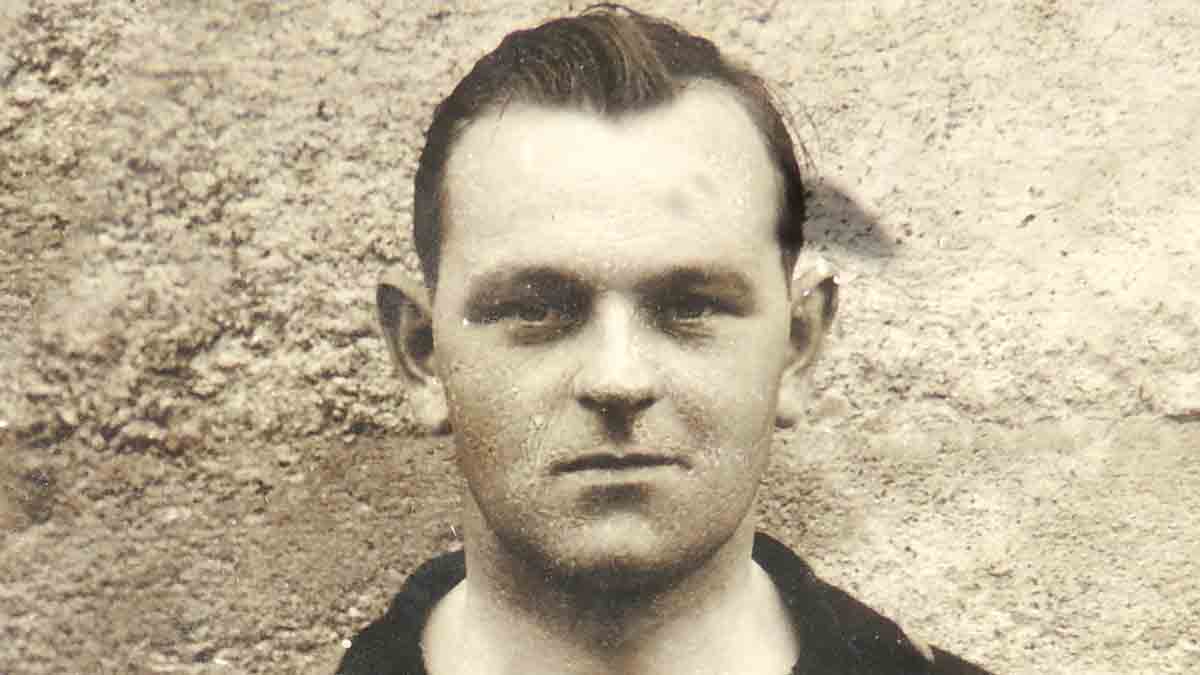
Billy Burke first rose to prominence with the Kilkenny senior hurlers when he was asked to play in a tournament game against Clare in Ennis in early 1934. Following his display, he soon became a Kilkenny regular until he retired after Kilkenny’s defeat to Tipperary in the 1945 All-Ireland final. Billy who was born in Dunmore, just North of Kilkenny city on April 14th 1912 (the night that the Titanic went down) learned his hurling as a youngster with his brothers and neighbours in and around the local village.
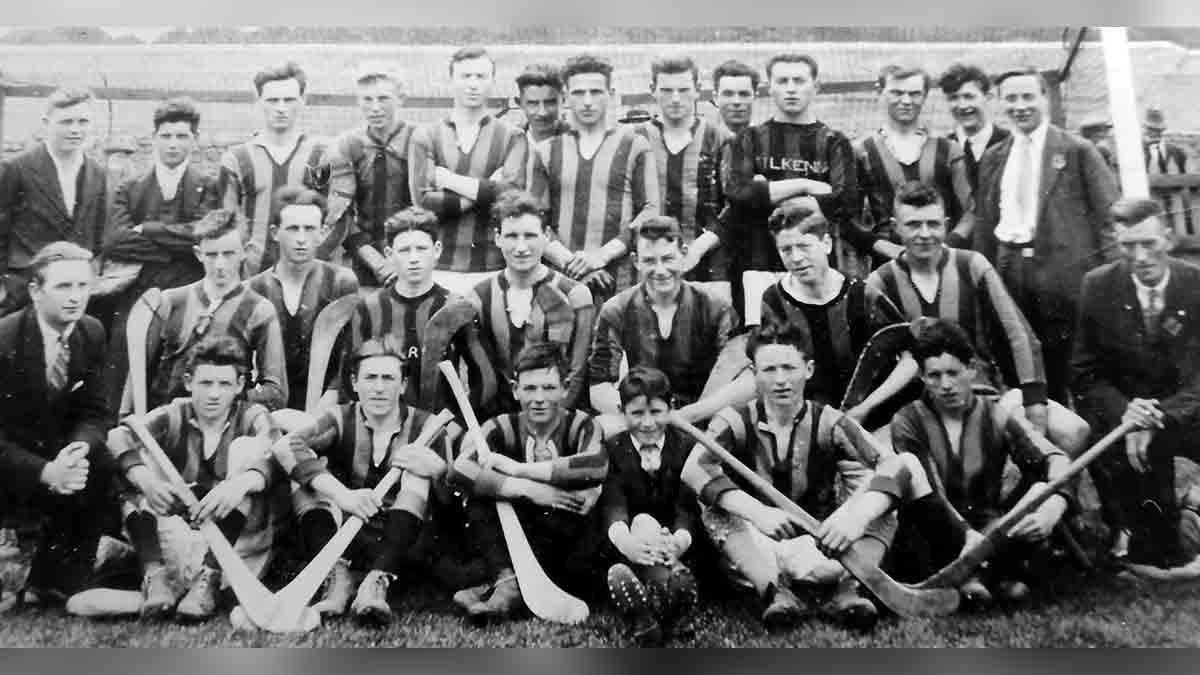
However, following Billy’s displays with Kilkenny CBS he soon came to the notice of the James Stephens club, who quickly asked him to join their ranks. He then helped the Village to win the 1929 Minor County Hurling final which was not played until the winter of 1930 during a blizzard. And a few months previously, Billy had played at right corner back on the Kilkenny minor team that was defeated by Tipperary in the All-Ireland final. Eventually, 1930 proved to be a very successful one for the Premier county as they emerged victorious in the three All-Ireland finals minor, junior, and senior.
During the next couple of years Billy Burke’s hurling career progressed, and following the tournament game against Clare in Ennis in early 1934, he soon became a Kilkenny regular. I remember him telling me that he was just finishing work in Kilkenny when he received the call up. He added that they had a great time in Ennis where they were wined and dined following the game.
Successful thirties
The 1930s proved to be very successful for Kilkenny and with two senior All-Irelands as well as a National League title secured by early 1934, prospects were high, and Billy Burke was all part of it. However, that year brought little success mainly because Kilkenny went on a six week holiday trip by boat to the US, which probably hindered the preparation and training schedule for the championship.
Then 1935 turned out to be very different. Following a difficult campaign in Leinster, Kilkenny then had an easy victory against Galway in the All-Ireland semi-final only to come up against old rivals Limerick in the All-Ireland final. Kilkenny had defeated Limerick in the 1933 All-Ireland final and the National League Final of 1932-33 so a great game was expected.
Billy did not make the starting fifteen for that 1935 All-Ireland, but he remembered it as being a great Kilkenny victory by a single point following a very wet Sunday. He said that he was delighted for the great Lory Meagher of Tullaroan who captained Kilkenny on that particular day at the age of 36 years of age.
Got his medal
Billy finally got his chance to play in a senior final the following year, 1936, when he entered the fray as a substitute, but on this occasion Limerick emerged victorious. In all, Billy played in five All-Ireland senior finals, his second being the following year again in 1937. This final was played in Killarney of all places as the Cusack stand was being constructed. Kilkenny once again failed to beat Tipperary, but it is recorded that Billy had a fine game. Afterwards it was reckoned that the great Kilkenny team of the early thirties was past its best, and some rebuilding was required.
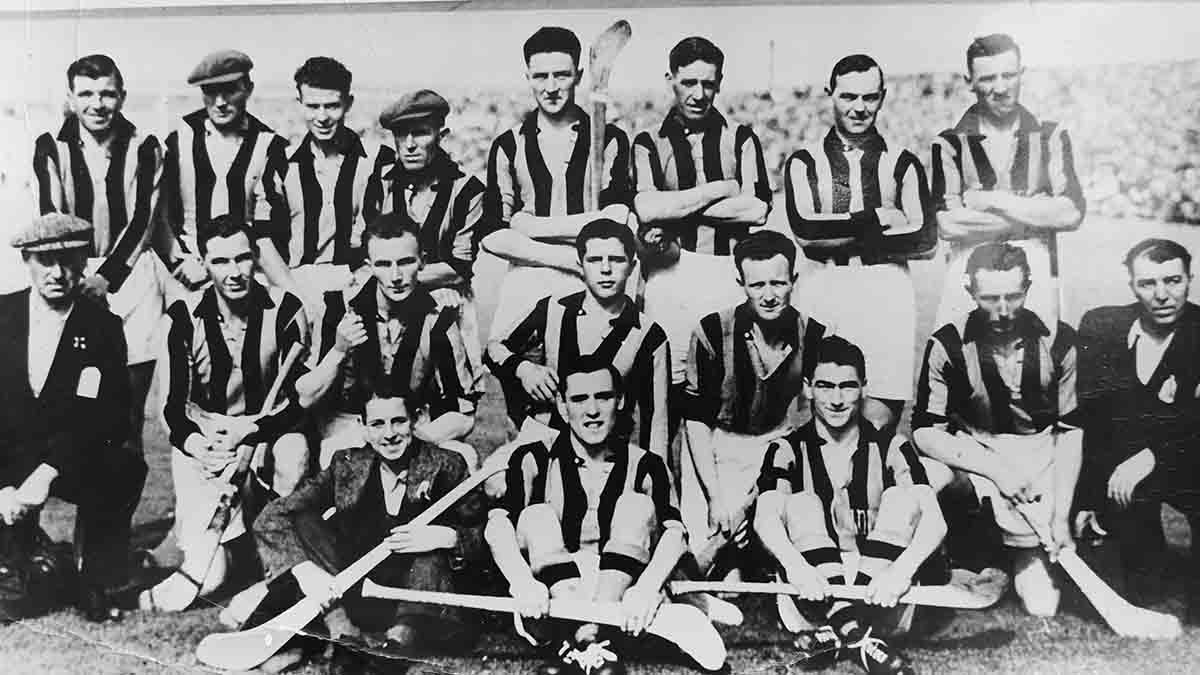
Kilkenny failed against Dublin in the Leinster final of 1938, but they returned as eager as ever the following year, 1939, to reach the All-Ireland final. This year turned out to be Billy’s most successful in the Kilkenny jersey when he won his only Senior All-Ireland medal. Kilkenny won again by a single point, and with a rebuild which included many new young players from the successful 1935 minor All-Ireland winning team including Jack Mulcahy, Jim Langton, Paddy Grace, Sean O’Brien, Terry Leahy, Bobby Brannigan, and Bobby Hinks, they were a force to be reckoned with.
Outstanding
Cork provided the opposition on a day of a tremendous thunder and lightning storm when scores were very difficult to come by. A late Jimmy Kelly point secured victory for Kilkenny and it is recorded that the half back line of Bobby Hinks, Billy Burke, and Paddy Phelan were outstanding. Following the All-Ireland, the faces of both sets of supporters were coloured as the dye ran from the paper hats that were very commonly worn at the time. The Kilkenny fans were coloured black and amber of course, and the Corkonians were red. It was also the day that World War two broke out.
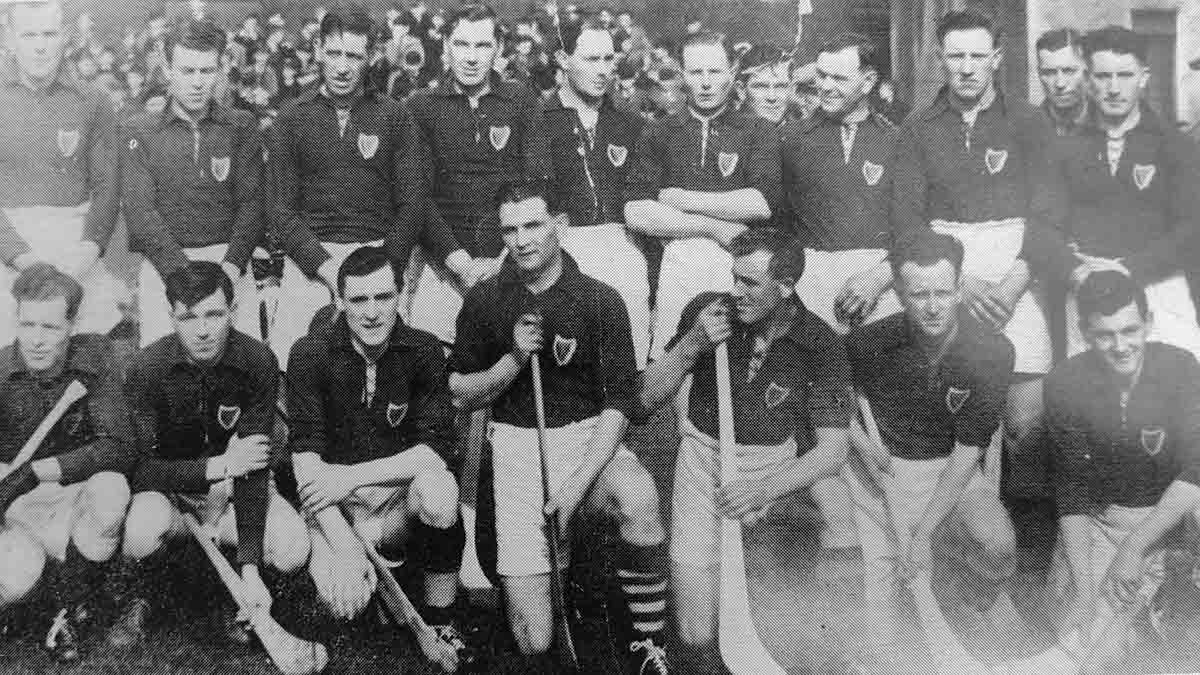
Kilkenny contested another All-Ireland final in 1940 and this time Limerick were the opponents and they came out on top. Billy played in his usual position at centre half back and he got on reasonably well during the first half on Limerick’s greatest hurler Mick Mackey. However, Mackey moved to the middle of the field following the interval and then Limerick fared better. It was often said to Billy that he should have moved after him, but he said that it would not have worked out as he never played midfield.
Disastrous years
The next four years proved to be a disaster for Kilkenny hurling for different reasons. The War had a big effect on the GAA and life in Ireland in general. I often heard my father and Billy saying that the old car at home was up on blocks in a shed, for four years as there was no petrol. The few supporters that did travel to GAA games had to rely on the few buses and trains that were available.
Kilkenny were not allowed to play any hurling in 1941 because of the Foot and Mouth disease in cattle which was very prevalent in Kilkenny at that time. 1942 was another terrible year for Kilkenny hurling which was at a very low ebb and they lost to a poor Dublin team. The great Paddy Phelan who had been playing in goal was moved outfield towards the end of the game, and Billy Burke took over in goal. What a bizarre situation.
Kilkenny won the Leinster final in 1943 but were rather unexpectedly beaten by Antrim in the All-Ireland semi-final in Corrigan park. Then on rolled 1944 and another disaster when Wexford beat Kilkenny in New Ross for the first time on the field of play since 1901. Billy often remarked that those four years were just thrown away.
Kilkenny recovered well in 1945, with a clean sweep of Leinster and they then defeated a good Galway team by a single point in the All-Ireland semi-final. Billy Burke was recalled for the All-Ireland final against Tipperary, but the Premier County came out on top as Kilkenny did not play as well as they were expected to. Billy Burke’s inter-county career ended with that Tipperary defeat.
Many games
I remember Billy Burke very well as he was my uncle and we travelled with my father to many GAA games. We rarely missed games involving Kilkenny, and we attended numerous Railway Cup Finals as well in Croke Park on St Patrick’s day, when the attendance was often more than 50,000. We were in Croke Park in 1962 when Des Foley of Dublin won two Railway Cup Medals on the same day. Dennis Heaslip came on as a substitute and scored a vital goal to help Des win his second medal.
Billy often said that he would have loved to have won a senior County Championship medal. And he nearly did. He was playing with Tullaroan when they were defeated by a single point in the 1936 County final by old rivals Mooncoin, and Billy also played at centre half back in the 1941 County final when Eire Og were beaten by another single point by Carrickshock.
So it can be said that Billy Burke enjoyed a distinguished hurling career with Kilkenny at both Minor, Senior and Interprovincial level with Leinster, and at club level with O’ Loughlin’s juniors and the seniors of Eire Og and Tullaroan. I will always remember my father James and Billy with pride for helping me to appreciate and love our wonderful game of hurling. Billy passed to his eternal reward on January 23rd 1995 aged 82 years. May he Rest in Peace.