


By John Fitzgerald

(Part One)
The building of a Bypass around Callan has been cited as a first class example of People Power, of a determined campaign winning out against political and administrative inertia.
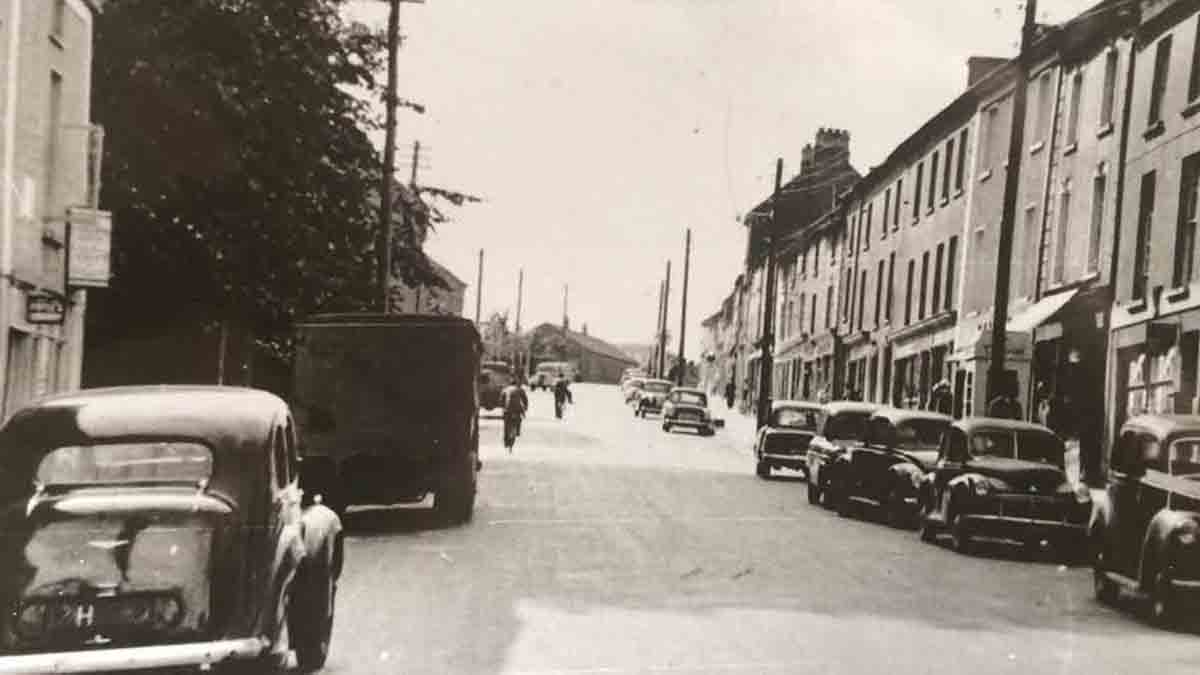
Today, we take the Bypass for granted. It banished all the heavy traffic that once thundered and spluttered along the Dublin to Cork corridor that for decades passed right through Callan, shrouding it in thick billowy smoke and posing an ever-present risk to pedestrians. Throughout Ireland Callan was feared by drivers as the bottleneck town.
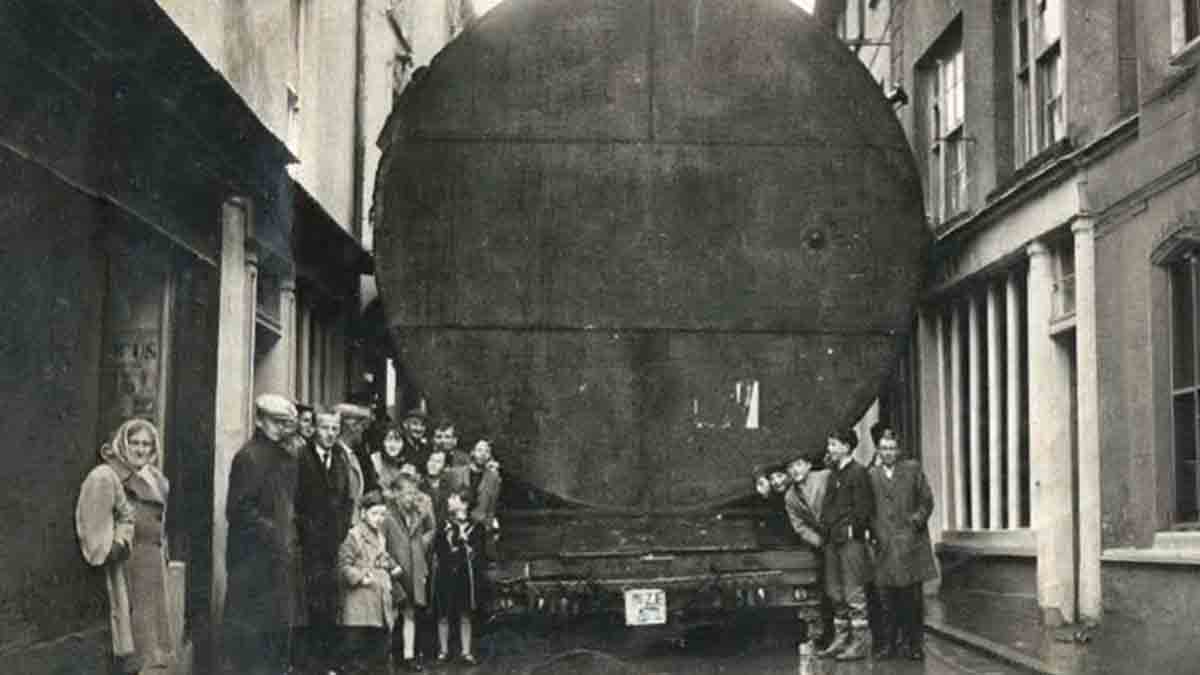
Its traffic woes came to national attention in May 1966. RTE’s evening news bulletin carried a report on a lorry transporting a large fuel tank from Dublin to Dungarvan that got stuck in Bridge Street. The report stated that the lorry had wedged against shop fronts on both sides of the street, blocking the vital roadway: pedestrians had to squeeze past on either side of the obstruction.
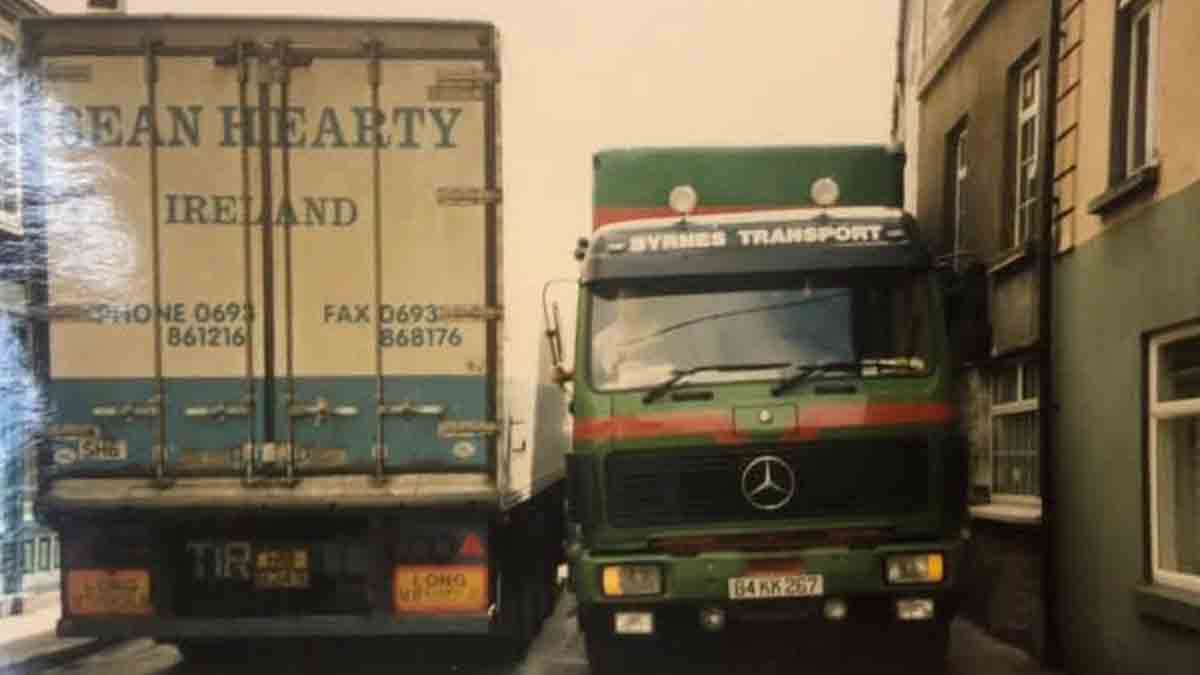
It’s hard now for anyone who wasn’t around in those pre-Bypass days to imagine what Callan was like back then: the daily blockages… articulated lorries getting stuck in Bridge Street, with drivers and locals alike wondering when, if ever, the town’s Purgatory would end.
The government’s road programme for 1989-92 included a pledge to build a Bypass, but legal and planning wrangles stymied the process.
Objections were lodged against the proposed Bypass route by people opposed to the Compulsory Purchase Order that aimed to acquire land necessary for its construction. Then there was the long wait for EU funding….
Between property and right-of-way objections from landowners, legal logjams, inquiries to investigate concerns about the validity of the proposed land acquisitions, and funding issues, the whole project looked doomed to staying on the drawing board.
There were dark murmurings in Callan of supernatural forces hampering the project. A man noted for his views on angelology and synchronicity opined in the Cosy Inn pub that the town was jinxed. He cited Fr. O’ Keefe of Callan Schism fame who allegedly cursed the town over his treatment by high-ranking clergy. The curse might be holding up things, he said, and several lads agreed.
Pessimism was rampant. A local songster, taking a cynical view, sang a ditty to the tune of The Impossible Dream… with the advent of a Callan Bypass the object of a dreamer’s fantasy.
Meanwhile, people coughed from the fumes that wafted their up noses in the town centre as the artics rolled and thundered through the streets (around 4000 vehicles per day, 14% of them Heavy Goods Vehicles) and the traffic-jams got worse, as did the air pollution and structural damage to the town.
Mini earthquakes shook homes and shops in Bridge Street. Day after day, horns blew; and the shouts of anger and frustration from drivers grew louder, sometimes heard above the squeaking tyres, the relentless hooting, and the spluttering engines.
Residents of Lower Bridge Street avoided serious injury one day when a lorry inching along in a fog of smoke caused an aerodynamic suction. This created an air vacuum that pulled the windows from several homes outwards onto the street.
Terrified householders initially feared a gas explosion or a crash, such was the noise generated when the windows vibrated and rattled, and the glass splintered into fragments, some spraying against the juggernaut itself; the rest buffeting the walls of houses opposite.
Because the glass had blown out rather than in, it was pedestrians rather than householders who might have suffered. For weeks afterwards people talked of little else but the lucky escape on Bridge Street.
The traffic congestion dragged on. Exhaust smoke hung in toxic cloudlets over confabbing locals near shops and street corners. A few of them had grown accustomed to being half-suffocated or poisoned by the fumes on a daily basis. Some folk believed they’d developed immunity to the effusions.
Local historians and tourism-conscious community leaders wrung their hands, fearful of the gradual erosion of Callan’s historic buildings. They held forth on the ferocious daily pummeling of streets that were never intended to withstand the impact of 21st century juggernauts, having been laid in the days of horse and donkey-drawn transport.
On March 3rd 1992, a Carlow/Kilkenny opposition TD raised the issue in the Dail. He said “The people of Callan, County Kilkenny, are getting deeply impatient and frustrated at Government inaction in relation to the need to provide a Bypass for their town.”
He went on to contend that “it’s not good enough. In fact, the town effectively comes to a standstill at Bridge Street when two trucks meet.”
He cited additional traffic pressure that was making a bad situation even worse:
“The trucks going from Waterford to Dublin travel through Callan now because they will not encounter difficult railway bridges which are on the more traditional route between Waterford and Kilkenny. Traffic from West Waterford and Clonmel bound for Dublin use the Callan route, particularly since the completion of the Kilkenny ring road twelve years ago. It is not unusual to experience up to an hour’s delay in traffic at Callan with the passage of this heavy traffic through the town.”
Campaigners
The Callan Bypass Committee had campaigned and lobbied for years, displaying an almost superhuman patience and tact in its dealings with public representatives, County Council officials and other relevant personnel.
But the canvassing struck a brick wall. The dream seemed to be ineluctably slipping away…or turning into a nightmare of unfulfilled promises.
Locals beheld a bureaucratic quagmire, and the prospect of Callan being reduced to a shadow of its true self by the fumes and gridlock.
In April 1992, a public meeting was called to determine how best to tackle the delay in getting what locals prayed would be Callan’s “Highway to Heaven”, as a Bridge Street grocer dubbed the elusive Bypass.
Callan Parish hall had never seen such a crowd. Sardines would have had more room in their little peel-back tins than the incensed people of the town and district that filled the hall that night, as they took their seats, or stood crushed against the walls. Some of the younger delegates sat on window sills. Others waited outside the building, ears cocked to get wind of proceedings.
Tension frizzled. Anger seethed and eyes gleamed with the long suppressed rage that bureaucracy, red tape, and broken promises had provoked in the locality.
Before the meeting kicked off, the PP, Fr Joseph Delaney took the microphone and called for “cool heads” in attempting to grapple with “Callan’s chronic traffic problems.”
Fr. Joe didn’t state overtly if he favoured militant action or otherwise. Parishioners knew him as a contemplative peaceful man who examined his conscience to the utmost before making any pronouncement, so nobody asked him to elaborate.
The Bypass campaign group’s secretary, Philip Funchion was applauded when he rose to recount the lengthy and arduous quest to have a Callan Bypass included in a government White Paper, and how the campaigners then lobbied intensively for the construction of the By- pass…
(To be continued…)