


By John Fitzgerald

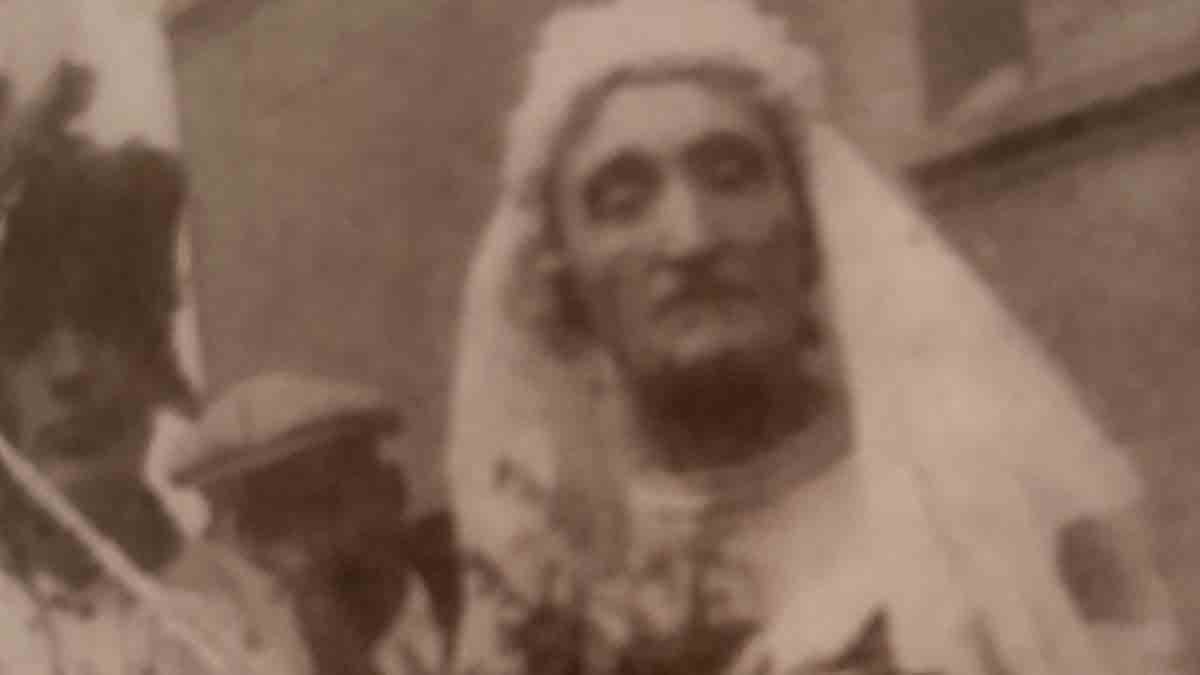
Paddy Molloy might well have been Callan’s wisest and wittiest man of the 20th century.
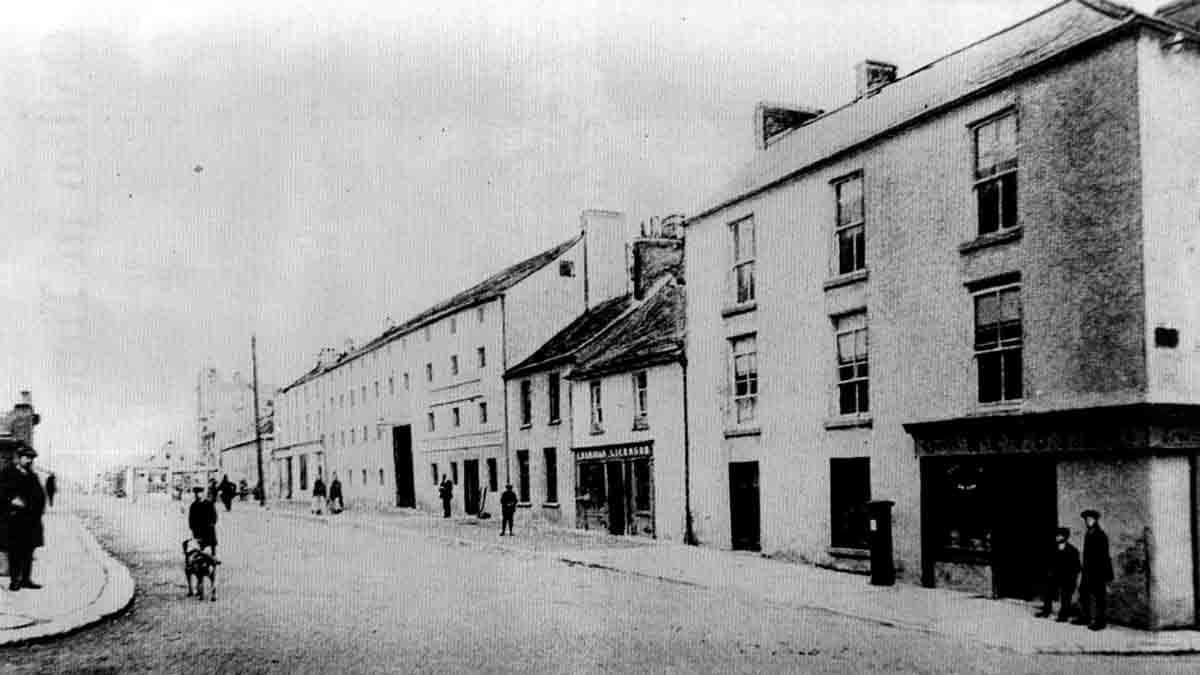
He was born in Callan on a sunny day in 1898. At age 16, following intensive schooling at the CBS, during which the Christian Brothers taught him everything they knew, an adventurous Paddy joined the army in response to Lord Kitchener’s call to arms.
He said afterwards that he felt flattered when he saw the tough militaristic face of the British commander staring from that famous poster, his finger poised pleadingly, under a block lettered caption that read: The army Needs YOU!
Paddy took this to mean him, in particular, and he enlisted to do his bit in the war to free Little Belgium from the claws of bad old Kaiser Bill. He fought bravely alongside his Callan friend, Soldier Walsh. Paddy was wounded in the Battle of the Somme in 1916, catching a Mauser bullet in the jaw.
Bloodied but unbowed, he recovered from his wound and went back to fighting the War to end all Wars. His wicked sense of humour infected all who knew him. Even in the mud, blood, and squalor of the trenches, Paddy could provoke a laugh now and again.
On one terrible day during the seemingly endless round of attacks, counter-attacks, shelling, and machine gunning that made the Western Front such a hellish place, the Callan man was sitting in a trench, chatting with some pals from his home town, when a Sergeant Major with pistol drawn signalled his intention to lead an assault on the enemy positions.
Paddy and his buddies were drinking rum-troops were allowed a ration to help insulate themselves from the horrors of war. The sight and sound of the strutting and jingoistic officer who seemed hell-bent on sacrificing many more men in a near suicidal attack on the German lines was too much for Paddy.
When the officer bellowed, in a mellifluous Eton accent: “Right Lads, it’s over the Top”, the Callan man took another swig of rum and shouted back: “You can f…say that again!”
Paddy thankfully survived the Great War-though he often remarked that it wasn’t so great to have been in the middle of it. He joined the Merchant Navy and spent three years sailing the oceans of the world. Upon returning to Callan, he ran a bakery in West Street before trying his hand at Monumental Sculpture.
He went into the undertaking business with his brother Michael-better known as Miko. Miko was the boss, but Paddy won the admiration of their growing clientele for his charm and magnetic personality.
They put up headstones all over the South East and became renowned for their high quality Celtic Crosses. Paddy’s father had been trained by the O’ Shea sculptors, whose work had won medals at exhibitions in England and America.
Paddy Molloy was fond of the bottle-but in a sociable way that endeared him to drinkers in every pub he visited. He became known far and wide as one of the most stylish drinkers of his day. One evening, standing at the counter of the Big Wheel in Callan, he discovered that he had lost the few pence from his pocket to pay for a half glass of whiskey.
Two of his drinking buddies had just ordered a half glass each. The barman placed these on the counter and, as the men diverted their attention for a few seconds from their drinks, Paddy snatched the two glasses and downed the whiskey in two gulps. Though annoyed at this action, the men had to compliment Paddy on his breathtaking audacity and deftness of movement.
Being in a pub after-hours was hardly a mortal sin, but Paddy would sometimes go to great lengths to avoid apprehension by the boys in blue. One night, when Somers’ pub was raided, he managed to squeeze into a large wooden tea crate before the guards entered the premises.
But the Sergeant was determined to make a clean sweep of the pub. He opened the tea crate and there was Paddy, hands over his head, taking cover from the enemy once again. The Callan policeman caught him gently by the scruff of the neck and asked him his name, as required by law. Paddy identified himself.
With a beaming smile that turned quickly to a smirk of triumph, the Sergeant posed the question, loud enough for everyone in the bar to hear: “And how did you happen to be in the box, Paddy?”
Paddy gave the Sergeant a tearful look and said “Oh God, thanks for opening that bloody box. I’ve come all the way from Ceylon in that f…tea chest and you are the first human being I’ve set eyes on in a fortnight, God bless your heart.”
Before the guards could respond to his audacity, he added, while still sitting in the box: “Listen, Sergeant, can I buy you a pint?”
At a pub in Cuffesgrange, Paddy met a man he believed had died a month earlier. “Japers”, he exclaimed, eyeing the man up and down, “I thought you were too feckin’ mean to give me the job of burying you!”
Not every one, though, appreciated his sense of humour. He carried a measuring tape around with him and would produce it in a pub if he noticed a drinker who appeared to be a bit under the weather, unhealthy; or coughing heavily.
“Stand up there till I measure you for the auld box”, he might say, or other less than reassuring words. Such remarks made some people nervous, but nobody panicked or suffered a heart attack as a result of his banter and pub philosophy. Neither was he begrudged a drop of whiskey or brandy before he went to coffin a corpse. As in the war, he needed a shot of something strong to soften the impact of the experience.
Not that he feared being in the presence of the dead. He knew their souls had flown to a happier place and he saw himself as “God’s humble servant” whose task it was to clean up after a soul’s departure to the afterlife.
Though a religious man, Paddy always opted for a common sense solution to any challenge that came his way. When an exceptionally wealthy lady asked that £10,000 in cash be used to line the sides of her coffin, he felt that he had to respect her wishes but at the same time realised that there was little point in wasting good money.
He stood in the room containing the open coffin, along with fellow workers and relatives of the deceased. Then, after all the prayers had been said, he announced it was time to close the coffin. He asked everyone to leave the room so that he could offer one silent prayer of his own before he put the lid on.
Having performed his Catholic duty, Paddy removed the hundred pound notes from the coffin, wrote out a cheque for £10,000, and laid it beside the body.
He was conscious of the old adage that not a single coin or bank note can be taken across the River of Life. But the lady could cash her cheque “on the other side”-no problem-as the streets of Heaven were laid with gold. So everybody was happy.
It was a sad day in Callan on April 10th, 1979, when Paddy Molloy took his leave of this world. But his friends gave him a worthy send-off and Johnny Barden, who knew him well, made some wise observations of his own at the wake.
Johnny noticed the number of total strangers-many of them business people intent on making an appearance-in mourning around the corpse. He whispered to Sean Holden “Do you know what I’m going to tell you, if yer man woke up right now, yourself and myself are the only ones in this room he’d recognize.”
Paddy would have appreciated the joke.