


By John Fitzgerald

(Part three)
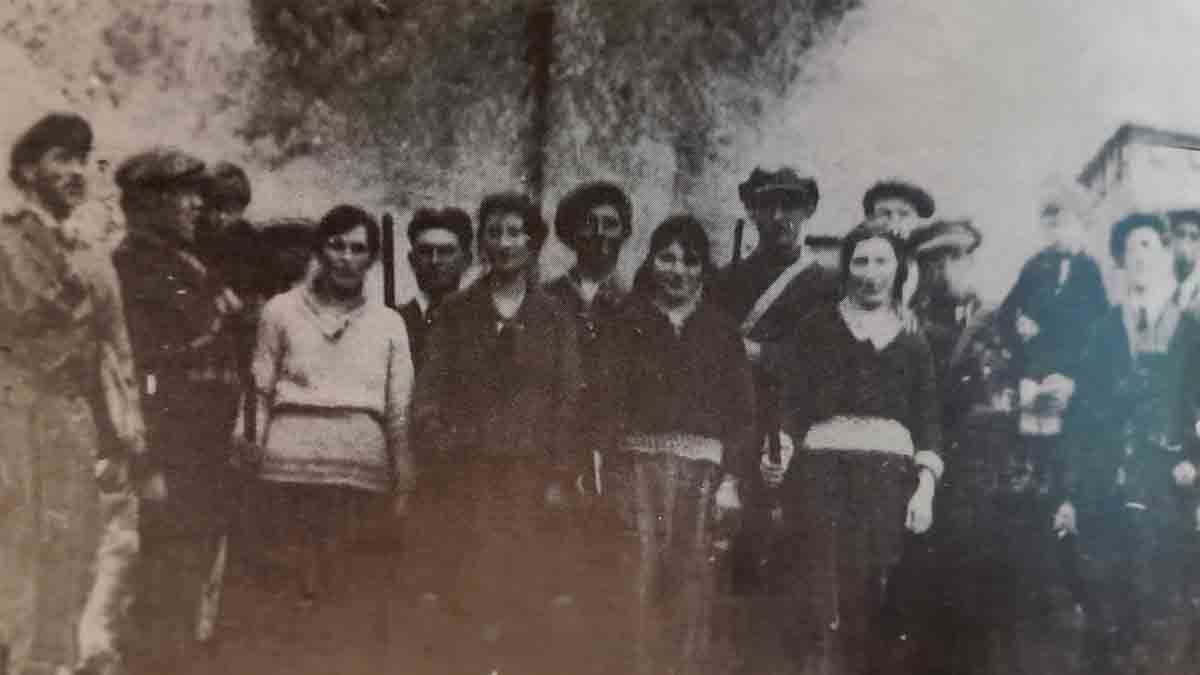
In March1921, six members of the Callan IRA Flying Column sought shelter at the Luttrell farmhouse: Paddy Ryan, Ned Aylward, Jimmy Leahy, Paddy Luttrell, Sean Quinn, and Jim McKenna.
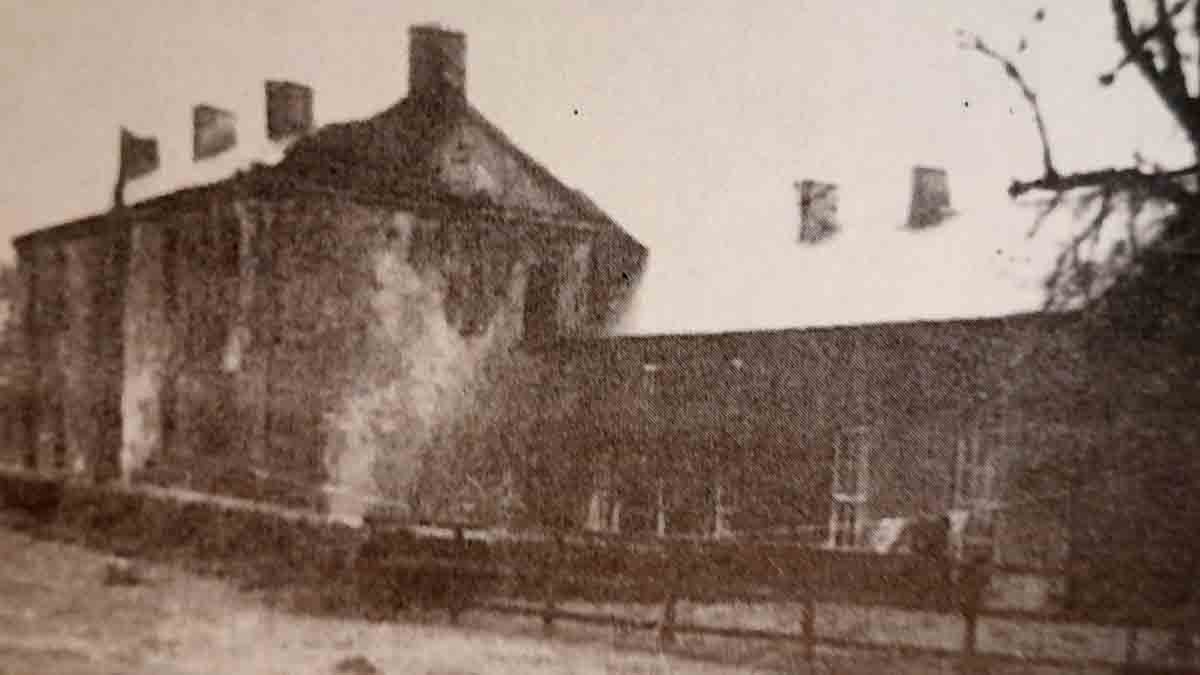
The Luttrell family welcomed them and the spent the night in the unoccupied Garryricken House. But someone had tipped off the Tans and a huge British force arrived to capture them…
You can read Parts One and Two on the Observer website…
An RIC man, using the cover provided by an old stile about 50 yards from their own position, opened fire on them as they approached the field. They blazed away at him, and thought he was hit when they saw his cap falling. But he had fooled them, pushing his cap over the stile with his rifle. He started shooting again.
Aylward suggested they fire lower, and all at the same time. They concentrated their fire on the stile. There was a cry of pain and the RIC man’s gun fell silent.
Seconds later, their daring bid for freedom was interrupted by gunfire from the middle of the field. The shots, they gauged, had been discharged by someone concealed behind a tall tree. The IRA men found cover behind two other trees nearby.
The Tan made the mistake of putting his head around the tree to get a better view of his foes. It was his last mistake. Sharp-witted Paddy Ryan was one of the best marksmen in the IRA. He took careful aim and shot the Tan through the head. The man died instantly, dropping his rifle beside him.
Breaking cover, the four volunteers dashed across the field towards the wood at the end of it. Sean Quinn grabbed the Tan’s rifle as they ran past his body in the field.
Bullets whizzing around them, the rebels reached the wall separating the field from the extensive wood beyond it. Once over the wall, the Tans lost sight of them. Leahy had a perfect mental picture of every tree in the wood and knew all the pathways and potential escape routes they might need should the Tans catch up on them.
In their headlong dash to freedom, they had lost their boots, and had to soldier on without them. The Tans tried to follow the trail of stockinged feet, but eventually lost track of the fugitives. When they reached Aughatarra Bridge, the rebels crossed the little canal in their bare feet to throw pursuing bloodhounds off the scent.
Exhausted, but in high spirits, they found welcome refuge at Hickeys of Danganmore, close to the “rebel village” of Dunnamaggin.
Back at Garryricken House, the remaining two Flying Column members and the Luttrell family were not faring so well. At 10 AM, reinforcements from Kilkenny boosted the numbers of police and troops surrounding the mansion and adjoining caretaker’s house. They stormed the two buildings.
Entering the kitchen in the big house, they discovered Luttrell and McKenna sitting by the fireside. The Tans dragged them from the kitchen, prodding them with bayonets and screaming abuse at them. Troops poured into the mansion.
They pushed the two Irishmen in front of them along the hallway and into another room. There, they punched and kicked the suspects. Then they took them outside and confronted them with the corpse of the Tan Paddy Ryan had shot.
Standing outside Garryricken House, Aly Luttrell saw the Tans emerge from the front entrance with their two captives. The condition of her brother, Paddy, greatly upset her: His face was cut, swollen, and covered with blood. McKenna, when she passed near to him, whispered to Aly that their guns were hidden under the floorboards.
Jimmy and Tommy Luttrell were taken from the farmhouse and threatened with death unless they revealed the identities of the rebels who had escaped into the woods. They refused to answer. The Tans fired over their heads, and then bundled them into a Crossley Tender, along with Paddy Luttrell and Jim McKenna.
The huge police and military force withdrew from Garryricken House. Unfortunately for Jim and Paddy, the police returned later that evening and located the hidden guns. Aly and Annie Luttrell had been unable to find them. The British arrested John Luttrell and took him away. At this stage all the males of the Luttrell family were in custody.
On June 13th, 1921, John Luttrell, Paddy Luttrell, Thomas Luttrell, James Luttrell, and Jim McKenna were court-martialled in Waterford. Owing to lack of evidence, John, Thomas, and James Luttrell were acquitted of involvement in rebel activities. But Paddy Luttrell and Jim McKenna were found guilty of “levying war, improper possession of arms and ammunition, and of failing to notify the police of a rebel presence in Garryricken House.
The charges carried a sentence of death, but they got off with life sentences: these meant nothing to the men as they walked free from jail after the signing of the Treaty in January 1922.
Overall, the Garryricken House episode was a great victory for the IRA, and especially the Callan Flying Column. A handful of its members had outwitted a massive military force: They had shot their way out of a ring of steel that seemed impregnable.
General Mulcahy, IRA Chief of Staff in Dublin, was ecstatic when he heard about this stranger than fiction achievement.
Inspector Baynham survived his wounds and was awarded £5000 compensation. But the doctors told him he could not play tennis any more.
The Black and Tan who died was a 26-year old man called Riley. He had finished his training at a camp in County Meath a few days before the gun battle. A former Royal Scots Fusilier since the age of 19, he held two medals for bravery.
He had been sending his mother £2 a week to support her. She received £750 compensation for his death.
Captured by the Germans in World War One, Fusilier Riley was a P.O.W. for four and half years. Ironically, he had survived the bloodiest conflict of all time only to be killed fighting a small band of IRA men in Garryricken.