


BY JOHN FITZGERALD
PART TWO
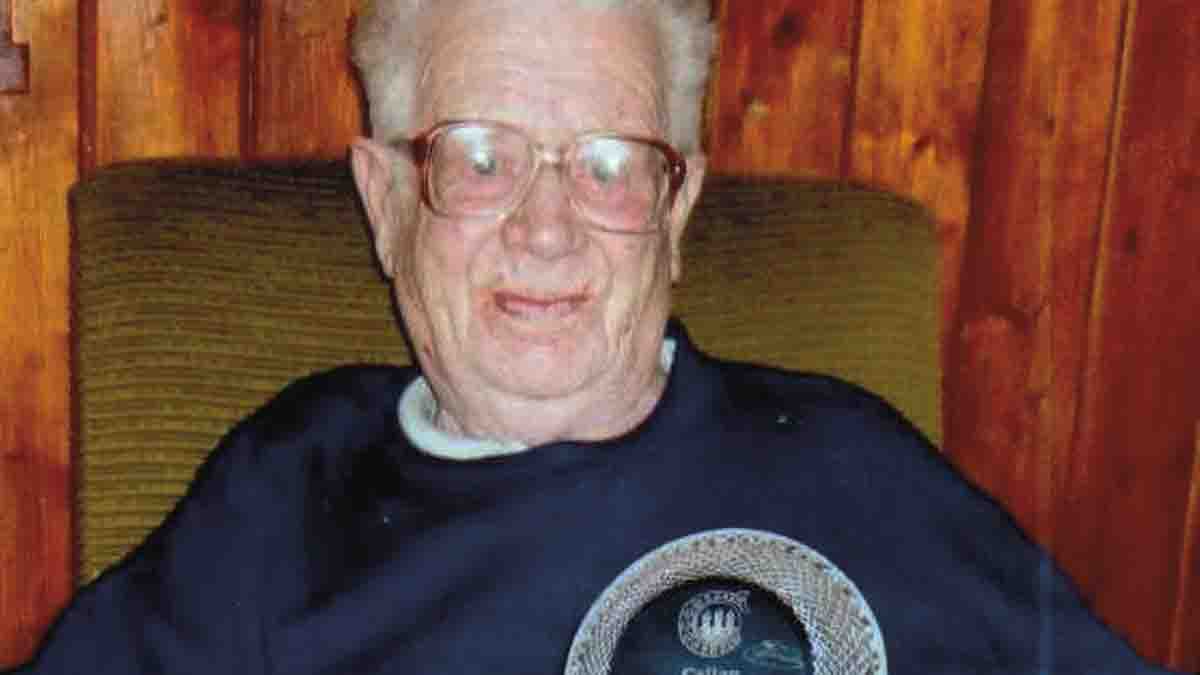
Ninety-year old Paddy Norris told Radio Eireann’s Donnacha O’ Dualin at the Coolagh Pattern that he felt he had enjoyed a “good run.”
Before cars were invented, he had walked as a boy to patterns in Coolagh from Cruchtabeg. He would save pennies in the weeks leading up the pattern to buy sweets on the happy day. His love of the old tradition persisted into adulthood and remained constant in his later years.
Paddy would join the revelers on Pattern night as they danced and consumed “rakes of drink.” He certainly needed such breaks from the daily routine: in his early years, he rose at 6am and toiled until 7 pm for half a crown per week as a “creamery chap.” And he spent countless hours, from dawn to dusk, behind a horse and plough in fields around Coolagh.
Paddy’s reminiscences were interrupted by shouts of jubilation from the camogie pitch, where one of the teams had just notched up another score. Olive O’ Neill told Donnacha of the important role Callan had played in reviving the County’s fortunes on the national camogie scene. The Callan Camogie Club had been founded in 1974, and two of its best-known members were the Downey sisters, Anne and Angela.
A star of the 1987 Coolagh camogie match, Breda Cahill, revealed to Donnacha that she “couldn’t wear a helmet as it was a bit warm on the head.” She was about to commence her own analysis of the match, Eamon Dunphy style, referring to “bad pullers and great pucks”, when a loud “thump” distracted the RTE man and herself.
A parachutist had dropped onto the camogie pitch, barely missing a goalpost and looking quite relieved that he had failed to land on the crossbar. Applause greeted his arrival. Another parachute was sailing gently towards the field, a snow-white circle in the sky silhouetted against a purple cloud. A third one, bright red like a big celestial rose petal, seemed to hover above the venue, frightening birds and drawing hundreds of hand-shielded eyes skyward.
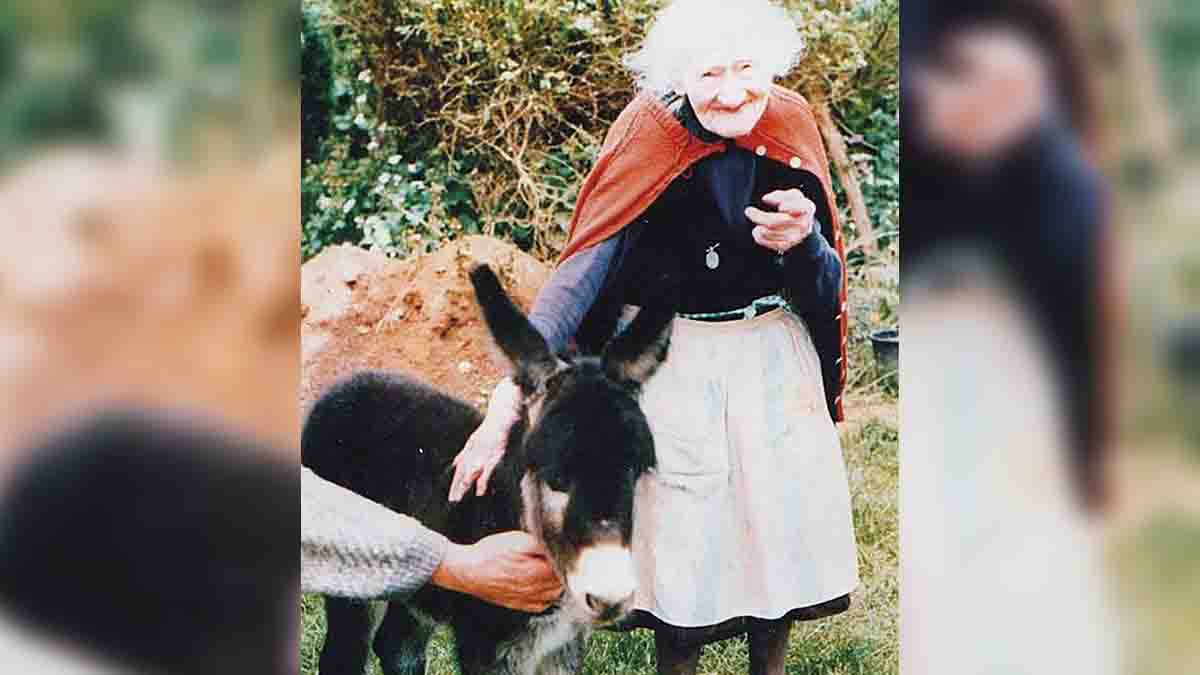
Amongst the older and wiser folk enjoying the autumn sunshine at the pattern was a woman Donnacha could hardly wait to meet: 85-old Nell Leahy. Her sharp memory and charming ability to weave tales of yesteryear had endeared Nell to locals, and to thousands of radio listeners who had heard her lilting voice.
Born in 1902, she recalled an age when patterns at Coolagh were held, not in a field, but on the crossroads. She explained to Donnacha that the pattern had been organised near an old church in the area for centuries, but the celebrations moved from this location after 1812 when a new road running between Callan, Windgap, and Carrick formed a crossroads at Coolagh.
In her childhood and early teens, locals and visitors attended Benediction in Coolagh Church before heading for the eagerly awaited annual funfest at the pattern. The official Church view of patterns had given way again to a quiet tolerance of the tradition, though worshippers were cautioned about over-indulging in the “hard stuff” that flowed generously at the night-time fringe activities that accompanied each pattern.
This eminently sound advice was gratefully received, respectfully acknowledged (“Lord Graciously Hear us”), and tactfully set aside once the music and dancing began. And such restraining words were blissfully forgotten when the corks and caps starting flying off the bottles, and the glasses clinked in the shebeens.
These makeshift pubs might consist of an old canvass covering thrown over five or six branches stuck in the ground. Just as men of previous centuries had kept an eye out for the Redcoats, the drinkers in the shebeens would post lookouts to prevent the boys in blue from spoiling the fun.
Children loved the pattern, Nell confirmed, and she never forgot the sense of elation she and her childhood friends in Coolagh felt as the big day approached. Auntie Clifford would be at the cross early in the morning. Her stand was loaded with fruit, sweets, chocolate, fresh cakes, and sticks of Peggy’s Leg.
The box she sat on concealed bottles of stout-She had these in case the lads got thirsty later on. Auntie Clifford was a hit with the kids. She was kind to them because she knew they only had a few pennies to spend.
The day after the pattern, Nell recalled, she and the other children went crying back to school. “We’d pass armies of wasps on the way”, she told Donnacha, “swarming around the rotten apple cores at the Cross. And in school we’d daydream about the matches, and the sweets, or the donkeys running. The teacher told us to cheer up. There would always be another year.”eets, or the donkeys running. The teacher told us to cheer up. There would always be another year.”